.svg)
Guide de gestion du personnel de terrain : stratégies pour réussir en 2026

Today’s field staff management demands accountability, efficiency, and clear communication—especially across languages and locations.
Are you still struggling with absenteeism, missed deadlines, or team miscommunication? With absenteeism rates in some field roles reaching 25%, the stakes are high. That’s why mastering field staff management is essential for business success.
This guide arms you with step-by-step strategies, the latest tech innovations, and proven leadership tactics. Ready to boost your team’s performance? Let’s dive in and make your field operations future-ready.
What are the core challenges facing field staff management in 2026?
Managing field staff management in 2026 means navigating a minefield of visibility, communication, and compliance issues. Distributed teams, evolving tech, and new workplace norms add layers of complexity. Let’s break down the biggest pain points—and how they impact your results.

Why is visibility and real-time oversight still a struggle?
Keeping tabs on staff across multiple locations and time zones is a daily challenge for field staff management. Even with GPS and geofencing, gaps remain—live updates can lag, causing delayed responses or accountability lapses.
For example, in India’s public sector, absenteeism rates hver around 25 percent, costing billions annually. Inaccurate time tracking doesn’t just impact payroll; it can derail project delivery and client trust. Imagine a technician missing a client meeting because their check-in failed to register on time.
Hybrid and remote work models further complicate oversight, especially for expat-run operations. Managers often lack a real-time view of who’s actually on-site. Even the best tech solutions can’t fully replace boots-on-the-ground supervision, making field staff management a balancing act between trust and verification.
What communication barriers exist for multilingual and diverse teams?
Effective field staff management depends on clear communication. Yet, language differences often lead to miscommunication and costly mistakes. Manual, text-heavy instructions can confuse teams, especially when tasks are complex or time-sensitive.
Consider diverse teams in hospitality or construction, where expat leaders rely on local staff. Cultural nuances can muddy feedback loops, making it hard to deliver or receive critical updates. Visual instructions and AI-powered translation help, but adoption is uneven.
The true cost of communication breakdowns? Lost productivity, frustrated customers, and missed deadlines. For many businesses, finding a common language—literally and figuratively—is essential for field staff management success.
How do compliance, safety, and data accuracy challenges impact outcomes?
Field staff management is only as strong as its compliance and data accuracy. Regulatory demands require precise, real-time reporting, especially in high-risk industries like healthcare and logistics.
Manual entry errors, delayed reporting, and data loss can expose organizations to safety incidents or legal headaches. For instance, failing to log a safety check in real time could mean missing a critical hazard on a job site.
Industry experts say, “Compliance isn’t just paperwork—it’s protection” (Sarah L., field operations consultant).
Modern solutions, like digital checklists and automated alerts, reduce risks, but only if teams use them consistently. For a deeper dive into these issues, see Field service management challenges and solutions.
The bottom line? Proactive field staff management ensures data integrity, keeps teams safe, and builds trust with clients and regulators.
How can you optimize scheduling, dispatching, and resource allocation?
Mastering field staff management in 2026 means leveraging technology, smart planning, and agile teamwork. Whether you’re running a construction crew or a hospitality team, optimizing scheduling and resource allocation is the backbone of operational excellence.
What are the most effective dynamic scheduling systems in 2026?
Dynamic scheduling now relies on AI-powered tools that match staff by skill, proximity, and real-time availability. These systems automatically generate shifts, adjust to demand spikes, and reduce idle time. For example, retail and transport sectors use predictive algorithms to ensure the right person is at the right place, every time.
Voici une comparaison rapide :
|
Fonctionnalité |
Manual Scheduling |
AI-Driven Tools |
|---|---|---|
|
Efficiency |
Faible |
Élevé |
|
Error Rate |
Élevé |
Faible |
|
Cost Over Time |
Supérieur |
Inférieur
|
If you want a deep dive on advanced tools, check out this Best construction scheduling software list for practical solutions that can transform field staff management.
How does route optimization reduce costs and improve productivity?
Route optimization uses GPS and real-time traffic data to minimize travel time and fuel costs. Automated rerouting keeps teams agile when urgent jobs pop up. Field service teams report substantial boosts in daily job completions by avoiding traffic delays and unnecessary detours.
Environmental benefits are clear as well. Optimized routes mean lower vehicle emissions, supporting your sustainability goals. With field staff management, every minute and kilometer saved adds up to bigger profits and happier clients.
What best practices ensure fair workload distribution?
Balanced workloads keep teams motivated and productive. Here’s what works:
- Distribute urgent jobs alongside routine tasks.
- Use capacity planning tools to prevent overloading during peak times.
- Promote transparency in task assignments.
- Rotate high-stress jobs to avoid burnout.
- Monitor real-time workloads and adjust as needed.
In field staff management, fair allocation means no one feels overwhelmed or left out, which drives better morale and consistent results.
How do you handle last-minute changes and emergencies?
Field operations are unpredictable. Mobile alerts and real-time notifications let you update schedules instantly, ensuring that no job slips through the cracks. Empowering staff to manage swaps or signal for backup keeps the system flexible.
For example, hotel teams use rapid notifications to adapt to sudden guest surges. With field staff management, agility is your safety net when the unexpected hits.
How does technology drive real-time communication and accountability?
Technology is transforming field staff management by connecting teams instantly, no matter where they are. In 2026, real-time communication and accountability are not just buzzwords—they are the backbone of successful distributed teams.
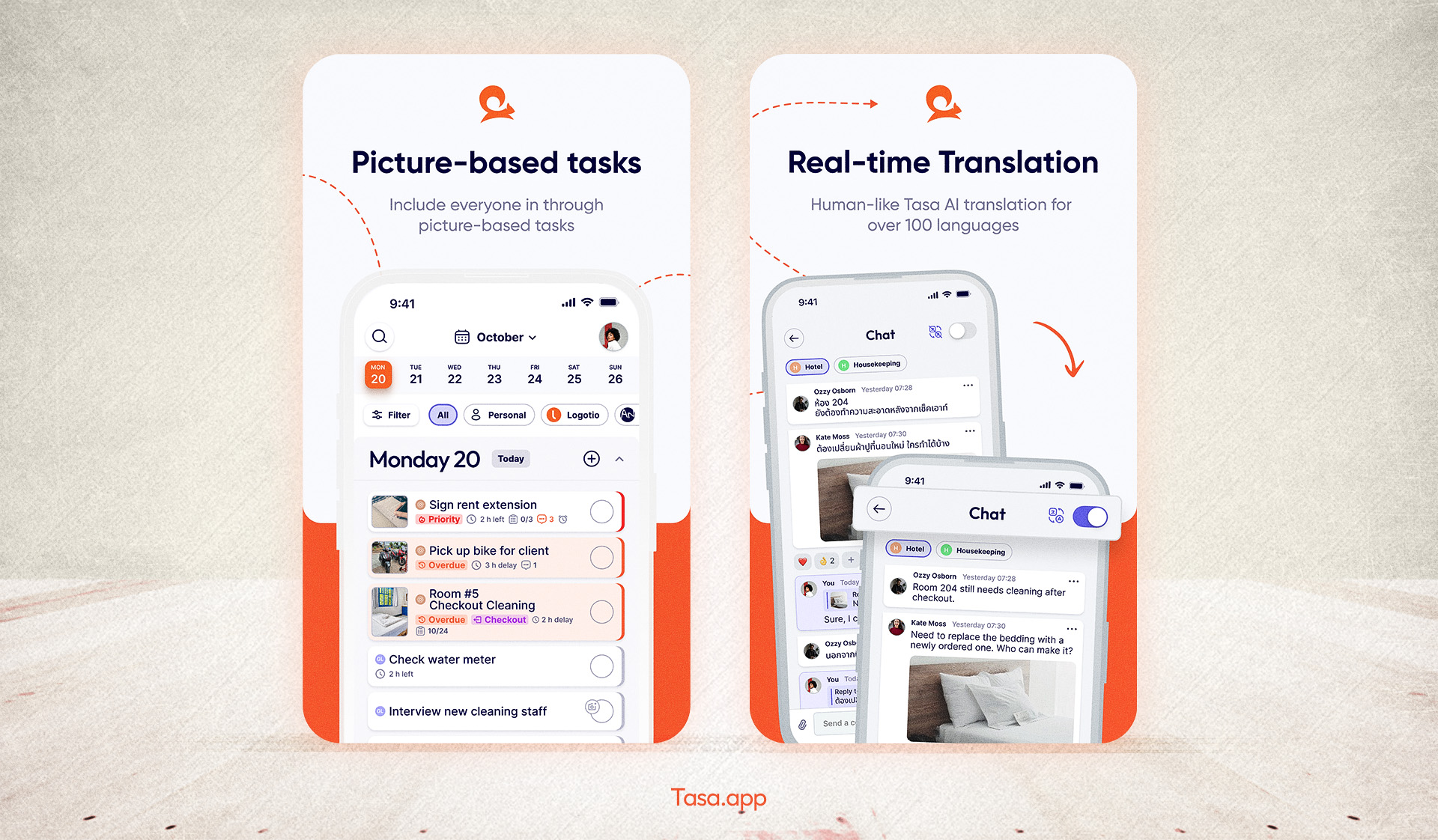
What role do mobile field service apps play in 2026?
Mobile field service apps are now essential for field staff management. These tools deliver instant job details, digital checklists, and enable photo-based updates. Teams can access everything they need on the go, reducing errors and boosting productivity.
For multilingual teams, built-in AI translation and image instructions break down language barriers. Construction teams, for example, upload progress photos and sign off tasks digitally, ensuring managers track work in real time.
For a deeper dive into accountability tools, see the best apps for remote team accountability.
How does seamless information flow improve team performance?
Seamless information flow is crucial for effective field staff management. Centralized dashboards give managers and staff real-time visibility into job status, location, and performance metrics.
Automated alerts and reminders keep everyone updated, while integration with payroll and HR systems ensures accurate data sharing. Escalation protocols help resolve issues quickly, limiting downtime and miscommunication.
What are the latest trends in device and data security?
With more data flowing through mobile devices, security is a top priority in field staff management. Companies are adopting geofencing and location-based controls to ensure only authorized staff access sensitive information.
Secure messaging, encrypted document sharing, and compliance with standards like GDPR and HIPAA are now standard practice. This protects both company data and client trust.
How do you bridge the communication gap for expat-led, multilingual teams?
Bridging communication gaps is vital in field staff management, especially for expat-led and multilingual teams. Visual task management and AI-powered translation ensure instructions are clear, no matter the language.
Multimedia onboarding makes training accessible for everyone. Hospitality businesses, for example, use picture-based workflows, reducing task errors and improving team collaboration.
How do you collect, analyze, and act on field data for continuous improvement?
Mastering field staff management in 2026 hinges on transforming raw data into actionable insights. With real-time tools and a data-driven mindset, you can spot problems early, optimize performance, and empower your field teams to deliver their best work.
What digital tools enable accurate and real-time data capture?
Gone are the days of paper timesheets and lost field notes. In modern field staff management, digital tools bring precision and speed to every step. Mobile forms, punch clocks, and automated timesheets let your teams log hours, tasks, and site visits instantly.
IoT sensors and QR code check-ins are now common for asset tracking and verifying task completion. For example, healthcare field teams use mobile apps to record patient visits and outcomes on the spot, reducing errors and delays.
If you want practical advice on selecting and implementing these tools, check out these time and task management strategies. Streamlining data capture is your first move toward real accountability.
How can analytics reveal hidden inefficiencies and opportunities?
Once you collect data, analytics shine a light on where your field staff management process excels and where it needs work. Dashboards display key metrics such as first-time fix rate, response time, and customer satisfaction, all in one place.
Trend analysis helps you spot patterns, like recurring delays or spikes in absenteeism. Benchmarking your numbers against industry standards lets you set realistic goals for operational excellence.
Regularly reviewing data from multiple sources gives leaders a 360-degree view of field performance, supporting informed decision-making.
What steps drive data-driven decision-making?
Data alone is just noise unless you act on it. Set up regular KPI review meetings so managers and teams can discuss trends and tackle weak spots. Automated reports provide up-to-date insights, helping you quickly adapt processes or training programs.
For instance, logistics firms use delivery time analytics to redesign routes, cutting costs and boosting reliability. In field staff management, these small, data-driven tweaks add up to major improvements.
Table: Data-driven decision steps
|
Étape |
Purpose |
Avantage |
|---|---|---|
|
Collect data |
Gather real-time info |
Accurate overview |
|
Analyze metrics |
Spot trends and outliers |
Identify improvement areas |
|
Review KPIs |
Discuss with teams |
Align on goals |
|
Take action |
Adjust processes or training |
Boost performance |
How do you ensure data integrity and compliance?
Trustworthy data is non-negotiable in field staff management. Automated audit trails and version control guard against accidental changes or loss. Secure cloud storage and strict access management keep sensitive information safe.
Daily compliance checklists, built into workflows, help teams meet industry regulations. Whether you operate in healthcare, logistics, or construction, these measures protect your business and your people.
Strong data integrity not only keeps auditors happy, it also builds trust within your field teams.
What are the people-first leadership strategies for field staff success?
Effective field staff management in 2026 demands more than just operational oversight. Today, building a thriving distributed team starts with people-first leadership. Let’s break down what works for engagement, learning, well-being, and trust, using proven strategies for real-world results.
How do you foster engagement and accountability in distributed teams?
In field staff management, engagement and accountability are the backbone of high performance. Regular check-ins and transparent feedback loops keep teams connected and motivated, even across locations.
- Schedule weekly video calls or quick daily huddles to stay aligned.
- Use recognition programs to highlight achievements, both big and small.
- Set clear, measurable goals so everyone knows what success looks like.
According to field service industry statistics 2025, companies with strong engagement programs see lower absenteeism and higher productivity. Gamification, like leaderboards for sales or task completion, adds healthy competition and boosts morale.
What training and onboarding methods work best for field teams?
Modern field staff management thrives on accessible, practical learning. Microlearning modules delivered to mobile devices let staff upskill on the go. Visual, language-neutral guides help bridge communication gaps, making onboarding smoother for diverse teams.
- Offer bite-sized video lessons and interactive quizzes.
- Pair new hires with experienced buddies for peer mentoring.
- Use apps with picture-based workflows for hands-on learning.
For construction and technical teams, platforms like Construction team management solutions provide tailored onboarding tools that reduce errors and speed up ramp-up time.
How can you support mental health and well-being in high-stress field roles?
Field staff management must prioritize mental health to sustain long-term performance. High-stress roles, especially in healthcare and logistics, benefit from flexible scheduling and access to support resources.
- Allow staff to swap shifts or request time off easily.
- Provide confidential counseling or wellness hotlines.
- Encourage work-life balance with clear boundaries between shifts and personal time.
Leaders who listen and respond to well-being needs create loyal, resilient teams.
What role does transparent communication play in building trust?
Trust is foundational in field staff management, especially for teams spread across regions or cultures. Open forums for feedback and regular updates build confidence and transparency.
- Host monthly Q&A sessions where staff can raise concerns.
- Share company news, vision, and team successes through video or newsletters.
- Invite suggestions for process improvements and act on feedback.
When leaders communicate openly and consistently, teams feel valued and connected, driving field success.
How do you measure and improve field staff performance in 2026?
Mastering field staff management in 2026 means knowing exactly how your team performs—and taking action to keep them improving. Let's break down the essentials, from KPIs to real-time feedback, so you can turn data into results.
What are the most critical KPIs for field staff management?
To drive field staff management success, focus on KPIs that matter. These include first-time fix rate, response time, customer satisfaction, and productivity metrics. Attendance, punctuality, and compliance adherence are also non-negotiable.
KPI comparison table
|
indicateur clé de performance |
Pourquoi est-ce important ? |
Typical Goal |
|---|---|---|
|
First-time Fix Rate |
Reduces repeat visits |
85%+ |
|
Response Time |
Improves client satisfaction |
<1 hour |
|
Attendance |
Cuts absenteeism costs
|
>95% |
|
Customer Satisfaction |
Retains business |
4.5/5+ |
Tracking these KPIs in your field staff management system helps spot trends and take action before issues become costly.
How do you use feedback and data to drive continuous improvement?
Collecting feedback from clients and team leads in real time is a game-changer. Use performance dashboards to visualize trends and identify strengths or gaps fast.
- Send post-job surveys for instant client feedback.
- Schedule regular one-on-ones to review progress.
- Analyze dashboard data for actionable insights.
Regular coaching sessions, based on real feedback, turn data into concrete improvement plans. This approach keeps field staff management nimble and responsive.
What tools and frameworks support ongoing development?
Modern field staff management platforms offer personalized learning paths, skill assessments, and automated reminders for certifications. Peer recognition tools and incentive programs keep motivation high.
- Mobile microlearning modules for on-the-go upskilling.
- Peer-to-peer feedback for real-world development.
- Certification tracking to meet compliance.
For more on how hiring and skills challenges are shaping development, check out Top hiring challenges of 2026 for insights on future-ready teams.
How do you benchmark and celebrate success?
Set clear targets for every field staff management KPI and share them openly. Benchmark performance against industry standards to see where you stand.
Use callouts in company-wide updates to celebrate teams that exceed goals. Weekly or monthly recognition—whether in meetings or digital shout-outs—builds a culture of accountability and pride.
Transparent benchmarking and recognition turn numbers into motivation, driving continuous field staff management excellence.
Dernières nouvelles



Vous avez des questions ?
.svg)
La gestion d'équipe simplifiée.
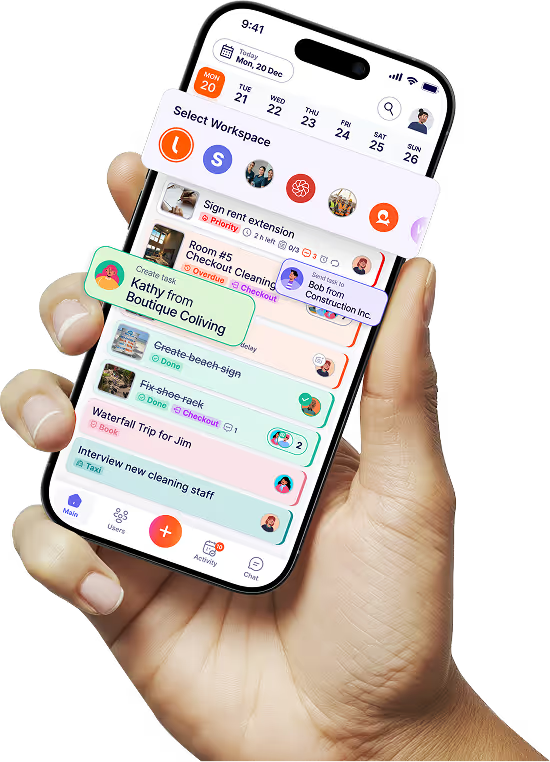

"Cela affecte beaucoup ma vie personnelle. Je peux gérer mon équipe et mon travail à distance, ce qui me laisse plus de temps pour être mère".
