.svg)
7 ideias comprovadas de negócios offline para começar em 2026

Why are so many entrepreneurs turning to offline business in 2026? In a world flooded with digital options, in-person ventures are making a strong comeback for those craving real connection and tangible value.
This article dives into seven proven offline business opportunities that deliver on community, profit, and sustainability. You will discover what makes these ventures thrive and why they’re attracting savvy entrepreneurs worldwide.
Why choose an offline business in 2026?
The offline business landscape is experiencing a major revival in 2026. After years of digital acceleration, consumers are flocking back to real-world experiences. Why? People crave authentic, face-to-face interactions and the ability to touch and see what they're buying.
Why are market trends favoring local business in 2026?
Recent trends show a strong swing toward in-person experiences. After the pandemic, shoppers want human connection and local engagement. Digital fatigue is real, with many overwhelmed by constant screen time. According to the Retail trends 2026 report, experiential retail and pop-up shops are surging in popularity as people seek memorable, tangible interactions.
Retail Dive reports that the top reason consumers choose offline business is the "desire to see, touch, and feel items." This hands-on approach is hard to replicate online.
What advantages do local businesses have over online models?
Offline business models offer several unique benefits:
- Lower return rates, since customers inspect products before buying.
- Stronger trust and credibility through face-to-face service.
- Opportunities to build personal relationships and loyal customers.
- Direct product or service showcasing, increasing upsell opportunities.
These advantages help local entrepreneurs create long-lasting connections that digital-only competitors struggle to match.
Who can benefit most from starting a local business?
Offline venture is a powerful fit for:
- Local communities looking to support their own economy.
- Expats seeking opportunities that leverage language, culture, or specialized skills.
- Entrepreneurs who want hands-on management and visible impact.
If you enjoy direct customer contact and community involvement, this path can be especially rewarding.
What are the risks and how can you reduce them?
Running an offline business does come with challenges:
- Higher overhead costs (rent, utilities, staff)
- Location dependency—foot traffic matters
- Staffing and training hurdles
You can reduce risk by:
- Starting lean (shared spaces, minimal inventory)
- Focusing on high-traffic or underserved areas
- Cross-training staff and using flexible scheduling
Lean startup strategies and careful planning are essential for success.
What legal and compliance issues matter most?
Every offline business must address:
- Local licensing and permits
- Zoning regulations (especially for food, childcare, or retail)
- Health, safety, and employment laws
Do your homework early. Consult local authorities and industry advisors to avoid costly missteps.
Real-world examples and data
Walmart remains a global leader in offline business by blending convenience, scale, and trust. Smaller players are thriving too, especially those that offer unique products or community-driven experiences. According to CedCommerce, Walmart’s brick-and-mortar dominance proves that physical stores still matter.
Here’s a quick comparison of offline and online business strengths:
|
Fator |
Online Business |
Offline Business |
|---|---|---|
|
Customer Trust |
Alto |
Moderado |
|
Return Rates |
Baixo |
Alto |
|
Personal Connection |
Forte |
Weak |
|
Overhead Costs |
Higher | Lower |
|
Escalabilidade |
Local/Regional |
Global |
In summary, the offline business model in 2026 offers real-world value, deep community ties, and a path to sustainable profit—if you play to its strengths and plan wisely.
What are the 7 proven offline business ideas to start in 2026?
As digital fatigue rises and communities crave real-world connections, offline business models are capturing fresh attention. Here are seven proven offline business opportunities selected for their resilience, scalability, and real-world demand. Discover what works, why it works, and how you can get started.
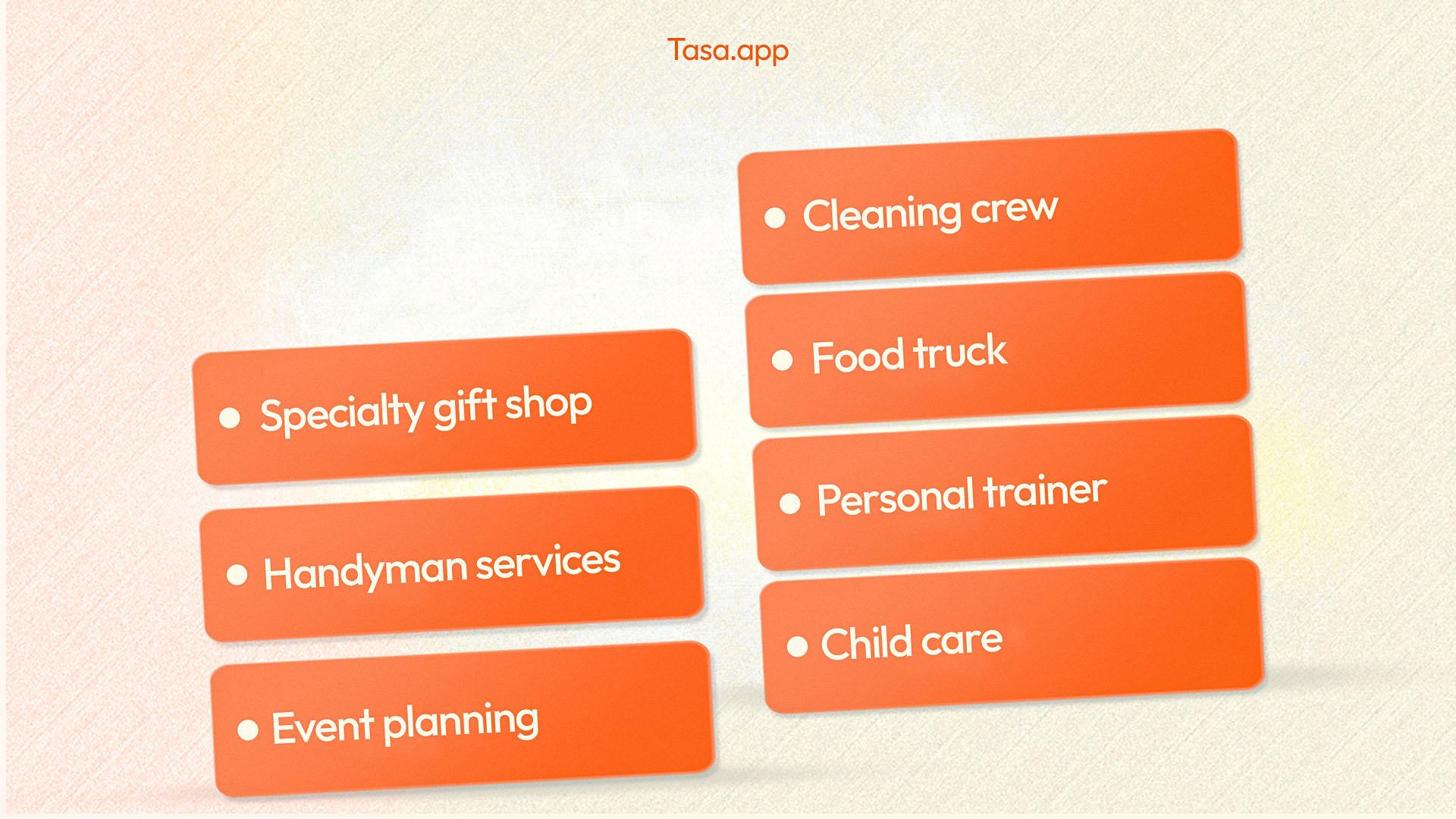
1. Cleaning and maintenance services
Demand for cleaning and maintenance is surging as health and convenience top consumer priorities. This offline business covers residential, commercial, and specialty cleaning, including post-disaster remediation.
- Startup needs: Basic equipment, business licensing, liability insurance
- Market: Homeowners, offices, schools, property managers
- Why it works: Ongoing demand, low barrier to entry, scalable with teams
- Challenges: Hiring reliable staff, maintaining quality control
- Growth tip: Offer eco-friendly or specialized services to boost margins
Example: Local cleaning companies have thrived post-pandemic, fueled by increased hygiene awareness. Use tech to your advantage through the best app for cleaning teams for efficient scheduling and accountability.
2. Food truck or mobile catering business
Mobile food services are a top offline venture idea for 2026, offering flexibility and lower overhead compared to traditional restaurants. Popular concepts include ethnic cuisine, health foods, and desserts.
- Startup needs: Food truck or trailer, permits, menu development
- Market: Urban professionals, students, event attendees
- Why it works: Ability to move with demand, event-based revenue
- Challenges: Navigating local regulations, weather, finding profitable locations
- Growth tip: Expand into catering, pop-up events, or franchising
Food trucks are outperforming many sit-down restaurants by staying nimble and tapping into community events for seasonal boosts.
3. Childcare and in-home care services
Trusted care for children and seniors is one offline business that continues to show strong growth. Options include daycare centers, babysitting, and senior companionship.
- Startup needs: Safe space, relevant training, background-checked staff
- Market: Working parents, expat families, seniors
- Why it works: Recurring revenue, meaningful community impact
- Challenges: Liability, meeting regulatory requirements, staff turnover
- Growth tip: Offer flexible hours or programs like STEM or language immersion
Example: Daycares with bilingual staff are especially valued by expat families seeking culturally aligned care.
4. Local retail or specialty gift shop
Curated retail is thriving as shoppers seek unique products and experiences. This offline business includes gift shops, florists, health food stores, and artisan boutiques.
- Startup needs: Physical storefront, inventory sourcing, partnerships with local makers
- Market: Tourists, gift buyers, locals looking for something special
- Why it works: Tangible shopping experience, community connection
- Challenges: Inventory management, seasonality of demand
- Growth tip: Host workshops, partner with artists, or organize community events
Example: Downtown gift shops are leveraging local festivals to drive foot traffic and build brand loyalty.
5. Personal training and wellness coaching
The focus on health and wellness is fueling demand for personal training, group fitness, and wellness coaching. This local business caters to individuals, expats, and seniors seeking hands-on guidance.
- Startup needs: Certifications, training space (home, gym, outdoors), basic equipment
- Market: Health-conscious adults, aging population, expatriates
- Why it works: Personalized service, direct results, high trust
- Challenges: Retaining clients, obtaining liability insurance
- Growth tip: Upsell nutrition coaching, wellness retreats, or hybrid online options
Example: Trainers offering both in-home and outdoor sessions are building loyal client bases with community workouts.
6. Home improvement and handyman services
There is always a need for repairs, renovations, and property maintenance. This offline business includes painting, landscaping, repairs, and home staging.
- Startup needs: Tools, proper licensing, local advertising
- Market: Homeowners, property managers, real estate agents
- Why it works: Consistent demand regardless of the economy
- Challenges: Finding skilled labor, managing schedules, competing with larger firms
- Growth tip: Bundle services or offer maintenance contracts for steady income
Example: Handyman companies with fast response times are winning clients who value reliability and convenience.
7. Event planning and management
In-person events are bouncing back, making event planning a promising offline business for 2026. Services include planning, vendor management, and on-site coordination for weddings, corporate functions, and community gatherings.
- Startup needs: Strong network, portfolio, targeted local marketing
- Market: Businesses, families, expat organizations
- Why it works: Demand for memorable, stress-free events
- Challenges: Dealing with seasonality, complex logistics, high client expectations
- Growth tip: Focus on niche markets or add rental and decor services
Example: Planners specializing in multicultural or expat events are carving out a unique space and building loyal clienteles.
These seven offline business ideas are thriving for one clear reason: they meet real needs in the real world. Whether you want to serve your community, leverage your skills, or create a stable income stream, the right offline business can transform your entrepreneurial journey.
How can you validate and launch your offline venture idea?
Launching a successful offline business in 2026 starts with a clear, practical roadmap. Before you invest time or money, validating your idea reduces risk and helps you build a foundation for lasting growth.
Start with market validation:
- Visit local competitors and observe their foot traffic.
- Survey potential customers about their needs and preferences.
- Analyze gaps in current offerings, especially for underserved niches like expat communities. For more insights, explore expat business opportunities.
- Join local business groups to understand regulations and trends.
Estimate your startup costs and break-even point:
- List expenses for equipment, location, permits, and staffing.
- Calculate how many sales or clients you’ll need each month to cover costs.
Secure funding:
- Consider self-funding, small business loans, grants, or seeking local investors.
- Research incentives for new offline business owners in your area.
Craft a compelling business plan:
- Define your mission, target market, and service offering.
- Set clear marketing strategies and financial projections.
Market locally and build early trust:
- Use flyers, partner with other businesses, and attend community events.
- Offer referral incentives, as seen with cleaning services that quickly grow through word of mouth.
Leverage business planning tools and connect with your local chamber of commerce for extra support. With these steps, your offline business can launch with confidence and resilience.
What are the top challenges and solutions for running an offline business in 2026?
Every local business owner in 2026 faces a new set of challenges. From staffing shortages to digital disruption, the landscape is shifting fast. Let’s break down what you need to know to stay competitive and resilient.
What are the biggest operational hurdles?
Running an offline business means juggling staffing, inventory, and rising costs. Labor shortages make hiring and retention a daily battle. Supply chain issues can delay inventory, while competition from both local and online players remains fierce.
You also need to keep up with regulations, from health codes to local permits. Seasonal demand swings, like those faced by food trucks, add another layer of complexity. Staying agile is crucial for managing these moving parts.
- Staffing shortages and turnover
- Inventory and supply chain delays
- Cost control and cash flow management
- Regulatory compliance and licensing
How can technology and customer loyalty drive success?
Smart offline business owners use technology to stay organized and boost productivity. Tools for scheduling, payments, and task management cut down wasted time. For example, retailers benefit from retail task management best practices to keep teams accountable and operations smooth.
Building loyalty is just as vital. Personalized service, loyalty programs, and community events help you stand out. When a food truck adapts its menu to seasonal flavors, it keeps customers coming back.
- Use digital tools for scheduling and inventory
- Launch loyalty and referral programs
- Host in-person community events
"Offline businesses that prioritize experience and community will outlast trends." — Annie Pilon, Small Business Trends
How do offline and online business models compare?
|
Aspect |
Online Business |
Offline Business |
|---|---|---|
|
Customer Interaction |
In-person, personal touch
|
Virtual, less personal |
|
Returns |
Lower |
Higher |
|
Overhead |
Higher (rent, staff) |
Lower |
|
Trust |
Built face-to-face |
Built through reviews |
|
Flexibilidade |
Location dependent |
Operate anywhere |
Staying ahead in offline business means blending technology with a human touch. Focus on adaptable operations and genuine relationships to transform challenges into lasting success.

How to scale and future-proof your offline business?
Scaling an offline business in 2026 is both an exciting challenge and a real opportunity to future-proof your brand. The right approach blends growth strategies, digital adoption, and strong community ties.
What are the best strategies for growth and expansion?
To grow your offline business, consider these proven avenues:
- Franchising your concept to new locations.
- Diversifying services, like adding workshops or pop-up events.
- Opening additional storefronts in high-traffic areas.
A quick comparison of growth tactics:
Últimas notícias



Tem dúvidas?
.svg)
Gestão de equipas simplificada.

"Ajuda muito a minha vida pessoal. Posso gerir a minha equipe e o meu trabalho à distância, assim ganho tempo para a maternidade."
