.svg)
Multilingual communication: go beyond translation & keep everyone involved
Globalization and remote work mean almost every organization is now multilingual, whether they’ve planned for it or not. Staff, customers, and partners communicate in different languages, come from different cultures, and interpret messages through very different lenses.
Yet many teams still treat multilingual communication as run this through a translator and send it out. That’s not enough. The result is often: misunderstandings, disengaged employees, confused customers, and missed opportunities in new markets.
Key takeaways
- Multilingual communication blends language, culture, and technology so everyone can understand and act on information.
- Common pitfalls include over‑reliance on literal translation, ignoring cultural nuance, blind trust in AI output, and neglecting frontline workers.
- A good strategy defines where language gaps exist, what gets translated or localized, who reviews it, and which tools support the process.
- AI translation, collaboration platforms, and picture-based tools all have a role, but human judgment and native speakers remain crucial for quality.
- Tasa helps in a very practical way: it turns tasks into visual, translated instructions with photo proof, making day‑to‑day multilingual communication workable for frontline and expat-heavy teams.
What is multilingual communication?
Multilingual communication is the practice of exchanging information across two or more languages in a way that everyone can understand and act on. It goes beyond receiving a text translation.
This includes:
- Translation: converting written text from one language to another.
- Interpretation: rendering spoken words in real time between languages.
- Context and culture: adapting tone, references, and examples so messages make sense locally.
- Technology: using tools to support this at scale (AI translation, picture-based tasks, portals, etc.).
In a business context, multilingual communication is what lets: a German HQ coordinate with a Brazilian factory, a French hotel manager lead a mostly Filipino housekeeping team, a Nigerian expat run a mixed‑language cleaning crew in Portugal, or a US-based SaaS company support customers in 15 countries.
Translation is one piece. Real multilingual communication weaves language, culture, and systems together.
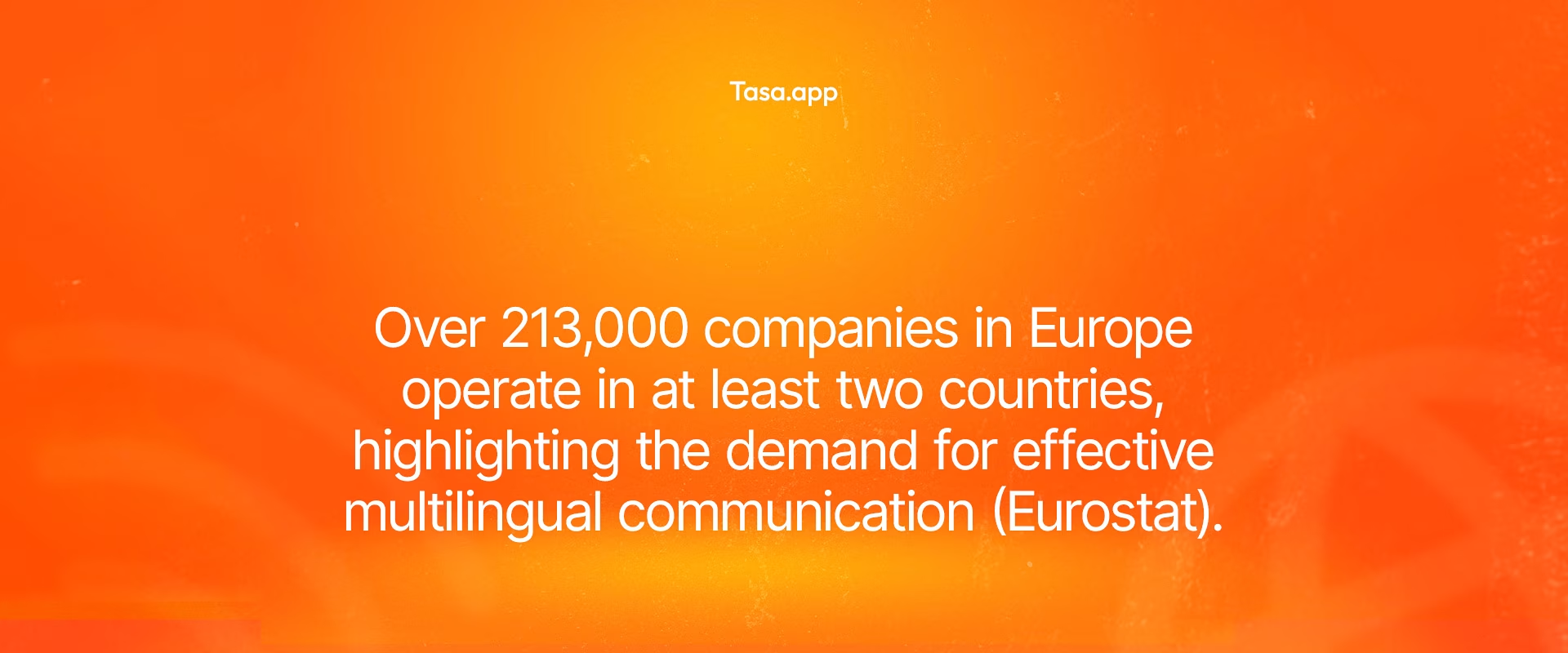
Core elements of effective multilingual communication
Good multilingual communication rests on a handful of building blocks.
Language capability
You do not need everyone to be fluent in every language, but you need access to:
- In‑house bilingual or multilingual staff,
- Professional translators or agencies where stakes are high (legal, medical, safety, external marketing),
- Clear “lingua franca” rules where appropriate (e.g., English for documentation, local language for frontline).
Communicative competence
Words are not enough. Teams need to understand:
- intent (“is this a hard rule or a suggestion?”)
- tone (“is this urgent, polite, informal, formal?”)
- context (who is the audience, what do they already know?)
This is where cultural awareness and basic cross‑cultural training matter.
Cultural and non‑verbal cues
Examples:
- Direct vs indirect feedback styles
- Comfort with saying “no” explicitly
- Meaning of gestures, silence, or eye contact
A simple thumbs‑up, for instance, is positive in some cultures and offensive in others. Good multilingual communication accounts for these differences.
Technology and structure
You need:
- Tools that can present messages in multiple languages
- Processes that define what gets translated, by whom, and how it’s reviewed
- Clear channels (email, app, chat, on‑device tasks) that workers can actually access and understand
Without structure, multilingual communication becomes an ad‑hoc scramble.
Why multilingual communication matters in 2026
- Workforces are multilingual by default
Even in one country, teams often mix local languages plus English or French. Globally, it is standard. - Customers expect local language experiences
Studies repeatedly show customers are more likely to buy and stay loyal when brands communicate in their language. - Remote and hybrid work multiply the risk of misunderstanding
When everything runs on messages, tickets, and docs, language gaps become execution gaps. - AI is making multilingual communication cheaper and faster
But it brings new risks when people assume AI output is always context-perfect.
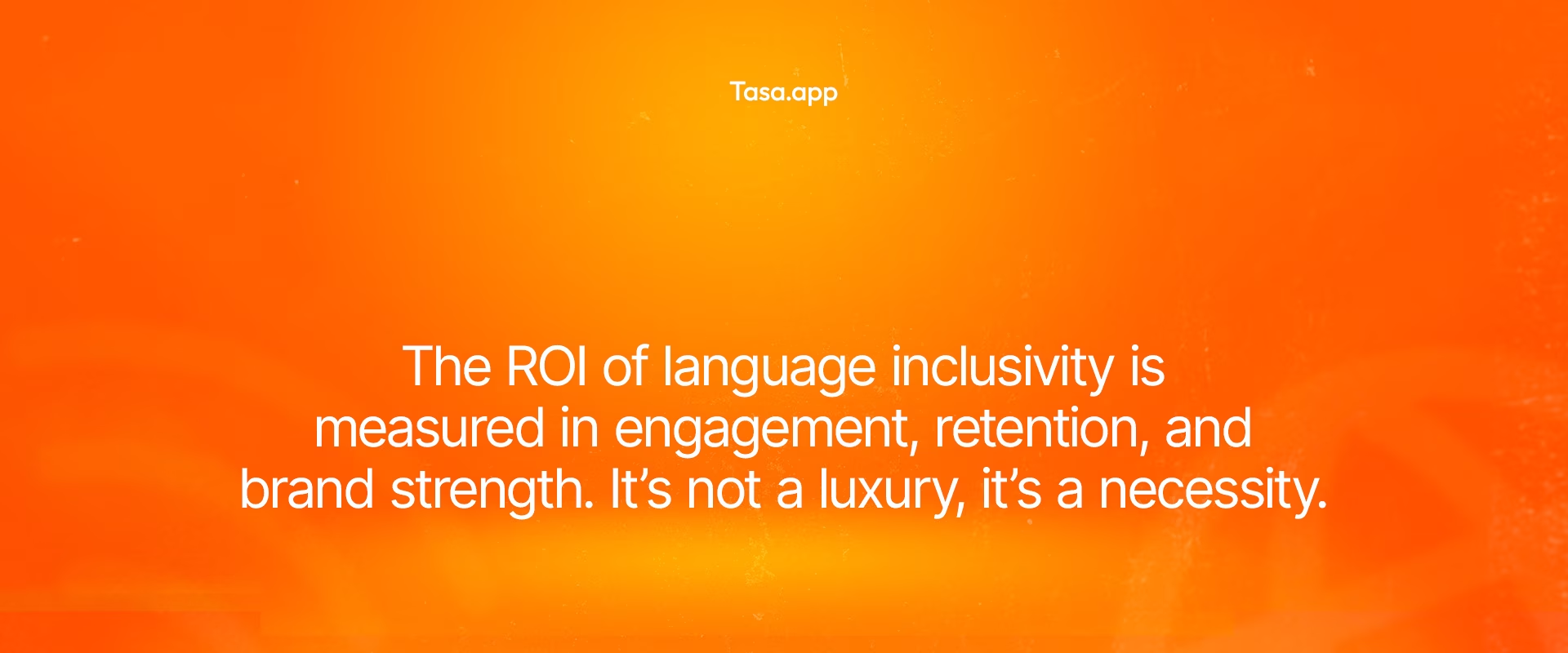
An effective multilingual communication: opens markets, keeps staff informed and engaged, and reduces friction across borders.
Poorly handled, it quietly drags everything down.
Common obstacles in multilingual communication
Over-reliance on literal translation
Simply turning English text into Spanish, Portuguese, or Chinese does not mean the message lands correctly.
Typical problems:
- Technical terms mistranslated, causing errors
- Tone coming across as too blunt or too vague
- Local idioms or jokes making no sense, or worse, offending
Ignoring cultural nuance
Language and culture are tightly linked.
Examples: A direct “we need to fix this now” email might be fine in one context but considered rude or humiliating in another.
If you ignore this, you get offended partners, confused teams, and staff who say “yes” in the meeting and then quietly disengage.
Technology limits and blind trust in AI
AI translation (like DeepL, Google Translate, Microsoft Translator) is powerful and getting better.
It can cut turnaround time dramatically, support dozens of languages at once, and integrate with other tools.
But:
- AI still struggles with idioms, sarcasm, and tone
- It can produce plausible but wrong text
- It has no built‑in sense of “is this respectful in this culture?”
For high‑stakes content, human review remains essential.
Internal knowledge silos
Language barriers do not just affect customer‑facing content. They can also:
- split teams into language-based cliques
- slow down project handovers
- and leave some roles (like frontline staff) out of important conversations
If your field or frontline workers cannot easily understand updates, SOPs, or safety instructions, you have a real operational risk.
How Tasa supports multilingual communication for frontline teams
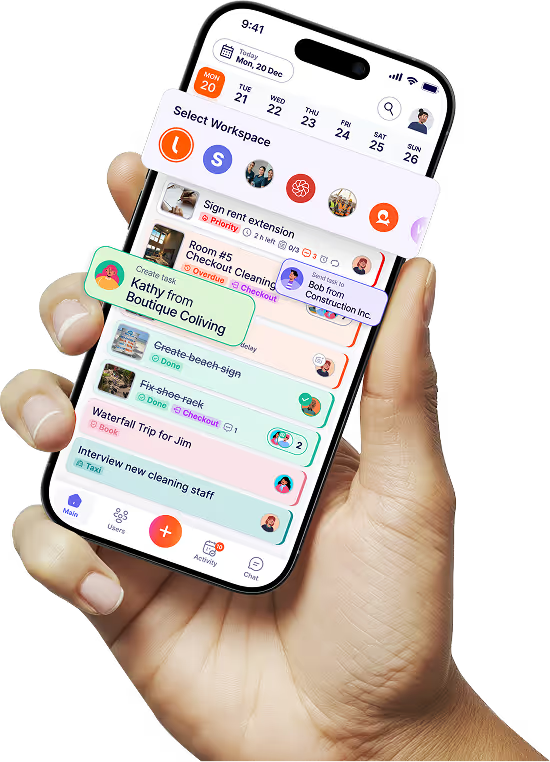
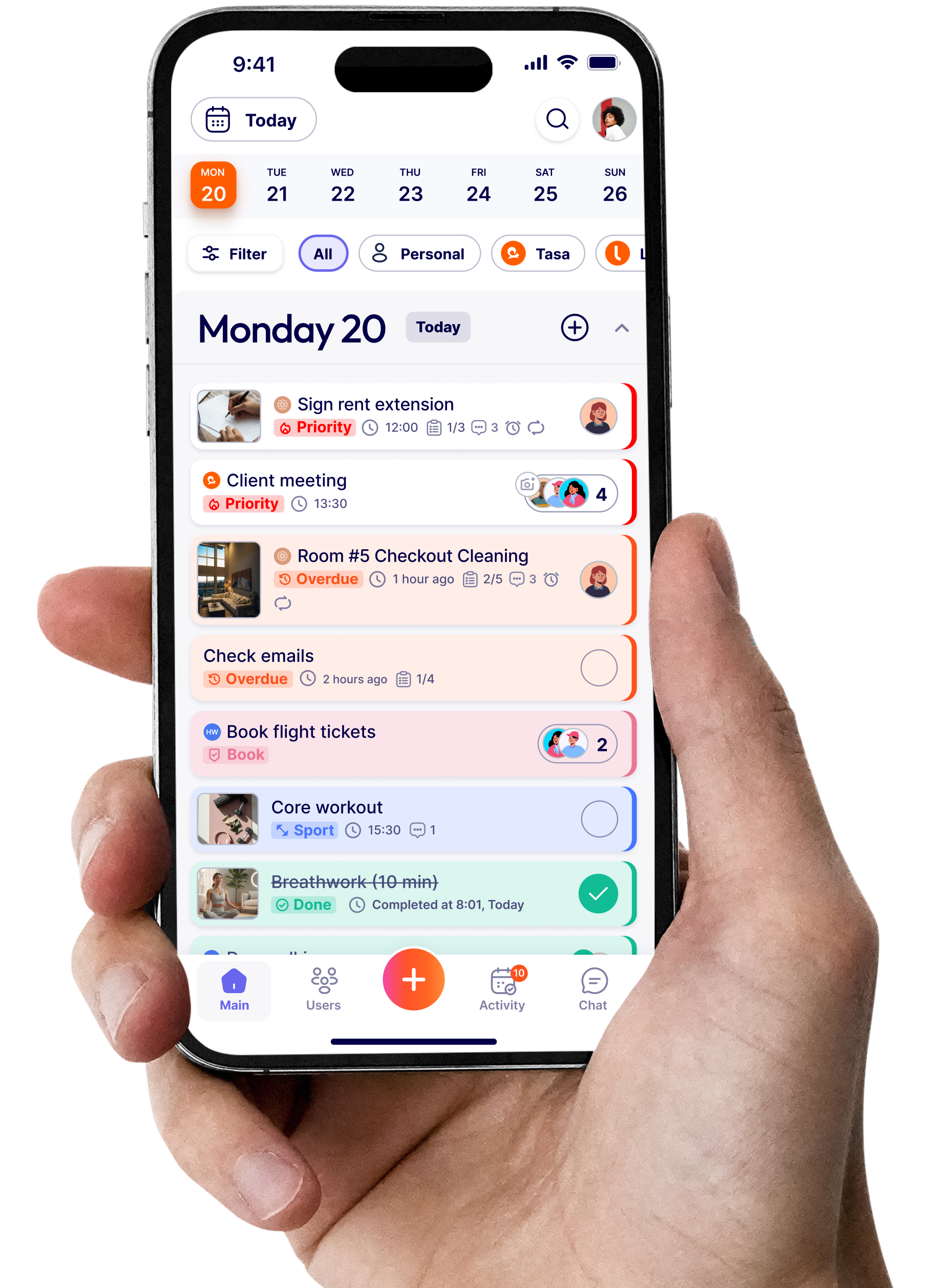
Tasa is a picture-based task app with built‑in translation. It is designed for environments where: people work on their feet (cleaning, hospitality, construction, repair, farming, retail), staff speak different languages, and literacy levels vary.
Instead of long written instructions, Tasa uses:
- Photos plus short text to describe tasks,
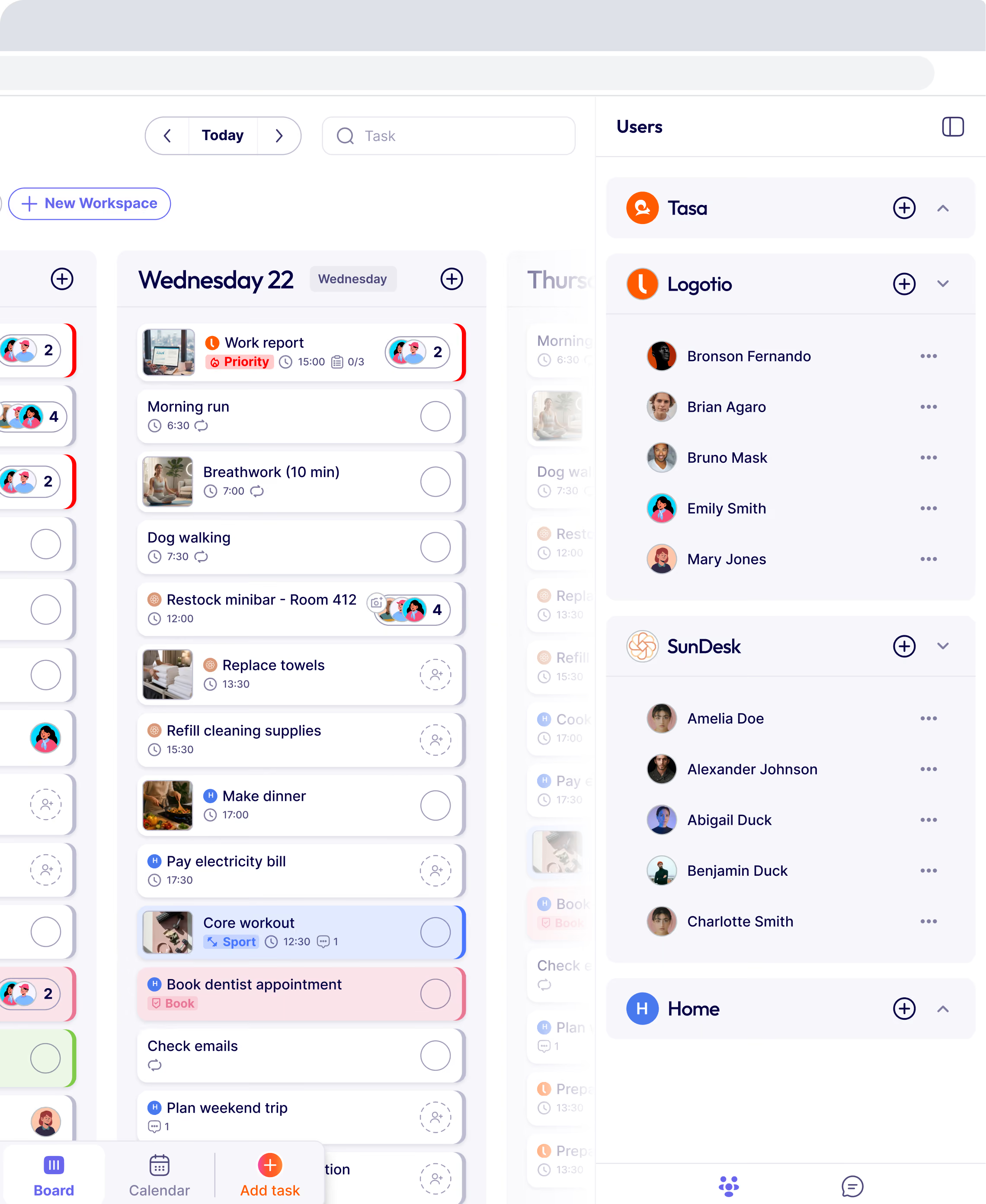
- AI translation to show instructions and comments in each user’s language,
- Photo confirmation to prove tasks were done.
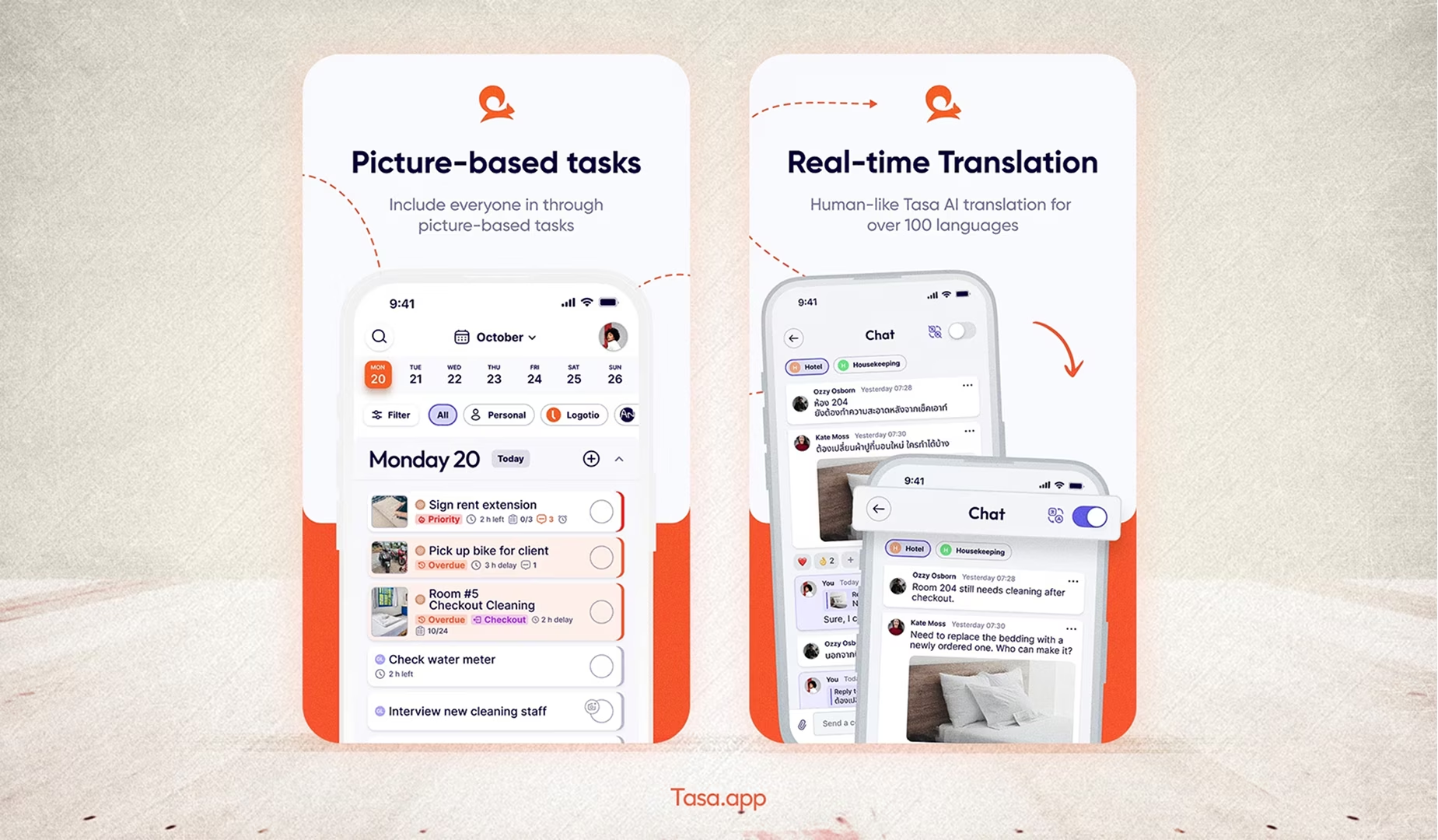
For example:
- A manager in English creates a cleaning task with a photo of a properly made bed and a short caption.
- A housekeeper sees the same task in Spanish, Portuguese, or Thai, with the same photo.
- When they finish, they take pictures of the room and complete the task.
- The manager sees the proof, even if they don’t speak the worker’s language.
This doesn’t replace broader multilingual communication needs, but it solves a very common and very practical slice of the problem: getting day-to-day work done correctly across languages.
Tasa’s approach is especially powerful for expats and owners running operations in countries where they don’t speak the main language well.
They can define standards visually, let staff work in their language, and still verify outcomes from anywhere.
Training, onboarding, and change management
Even the best tools and frameworks fail without adoption.
Key steps:
- Teach not just “how” to use tools, but why multilingual communication matters (fewer errors, safer workplaces, more inclusion, better customer experiences).
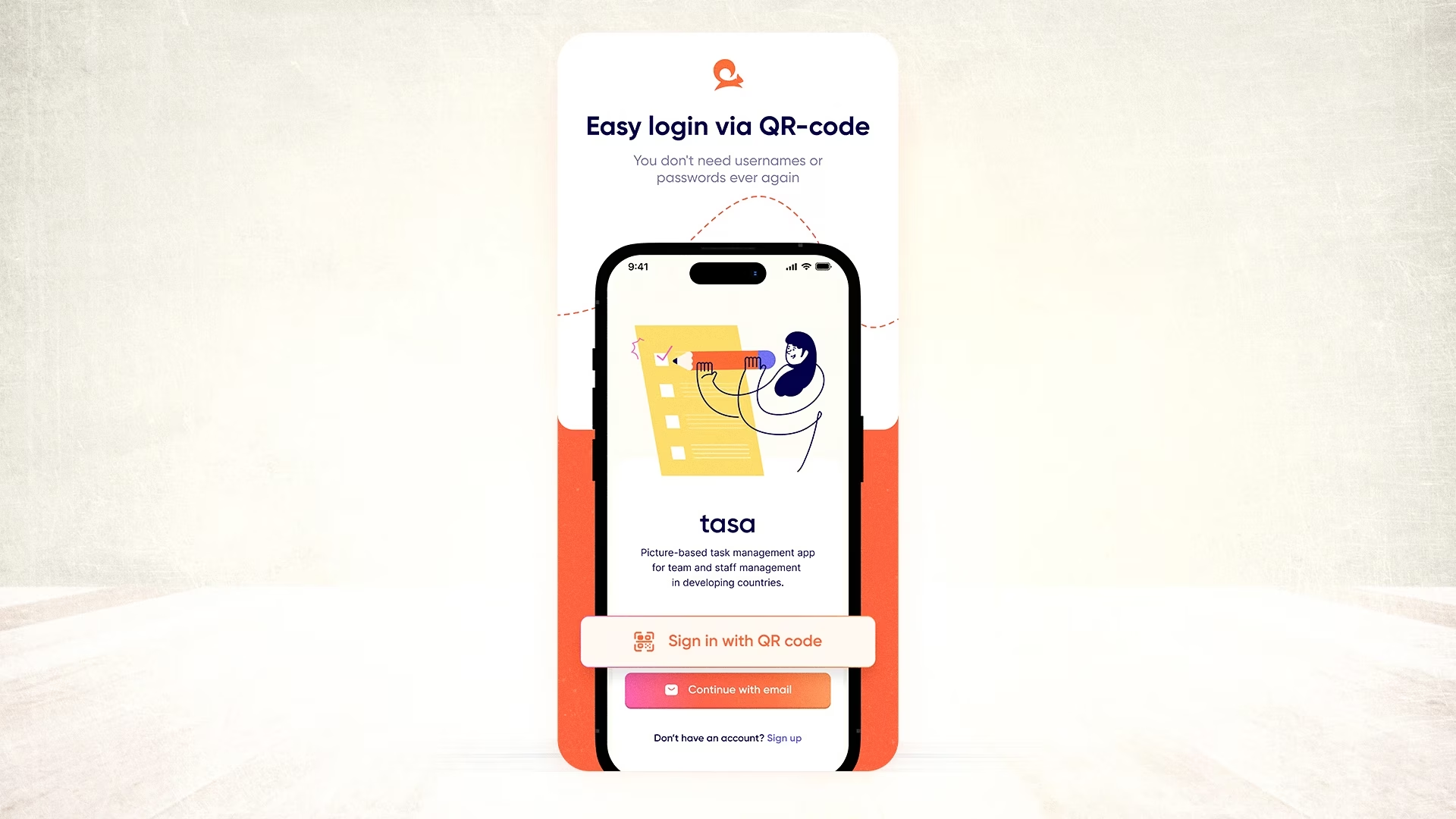
- Onboard staff in ways that reduce friction (e.g., QR‑based onboarding into apps like Tasa, so people don’t need complex accounts).
- Create feedback loops: ask staff which messages or formats are confusing, and improve them.
Rollout is easier if frontline staff experience immediate benefits, like clearer checklists, instructions in their own language, and fewer confusing or contradictory messages.
Multilingual vs bilingual communication: what is the difference?
Bilingual communication involves exactly two languages: a manager and a worker who each operate in one of two shared languages, or one person who speaks both. While multilingual communication involves three or more languages at once, which changes the problem from a pair to a system.
With two languages, one bilingual person can bridge everything. With five languages on one site, relay translation through a chain of bilingual staff distorts the message at every step, and no single person holds the full picture.
That is why multilingual teams benefit from a common medium that is not any team's language: visual standards, photos, and translated task systems scale where pairwise bilingualism breaks down.
How many languages can a multilingual person speak?
There is no official threshold. Researchers usually describe someone as multilingual from two languages onward, and hyperpolyglots who function in ten or more exist but are rare.
For workplace purposes the useful question is not how many languages a person has, but in which languages they can work reliably under pressure: a housekeeper may speak conversational English, formal Thai, and a Burmese dialect, yet follow safety-critical instructions confidently in only one.
A good system therefore lets each person work in their strongest language instead of forcing a single company language on everyone.
Measuring success and ROI of multilingual communication
To know if your efforts are working, track:
- Error rates (especially errors linked to instructions, documentation, or handovers).
- Onboarding time for new staff.
- Employee engagement in different regions/languages.
- Customer satisfaction by language or market.
- Use of language preferences and translated resources.
You can also look at harder outcomes:
- Fewer incidents or safety breaches,
- Faster time‑to‑market in new regions,
- Longer staff retention where language barriers used to cause frustration.
Latest News

Have questions?
.svg)
Team management, simplified.

“It affects my personal life a lot. I can manage my team and my work remotely, so I have more time being a mother.”
