.svg)
Management guide 2026: Simplified workflow for multiple businesses & frontline teams

As a business owner managing multiple businesses, locations, or frontline teams, you’re most likely dealing with remote and hybrid staff, language barriers and mixed skill levels, strict regulations and compliance, tech overload: checklists here, WhatsApp there, spreadsheets everywhere. Yes, it's a lot.
This management guide is designed to cut through that noise. It gives you:
- Core principles for easy management
- A step-by-step approach to simplify workflows
- Tool recommendations that fit frontline teams
- Real-world examples from hospitality, construction, and expat-run businesses
- Trends that will shape how you manage work beyond 2026
If your daily reality is jumping between apps, chasing updates, and putting out operational fires, this guide is for you.
Core principles of easy management
No matter your industry, these five core principles make easy management possible.
Centralization
A management guide for 2026 must start with a single source of truth.
When tasks, updates, and proof of work live in one system instead of various scattered places miscommunication drops resulting into accountability from frontline staffs and your peace of mind.
Clarity
Clarity turns chaos into something you can manage clear instructions, standardized processes, visual cues and checklists
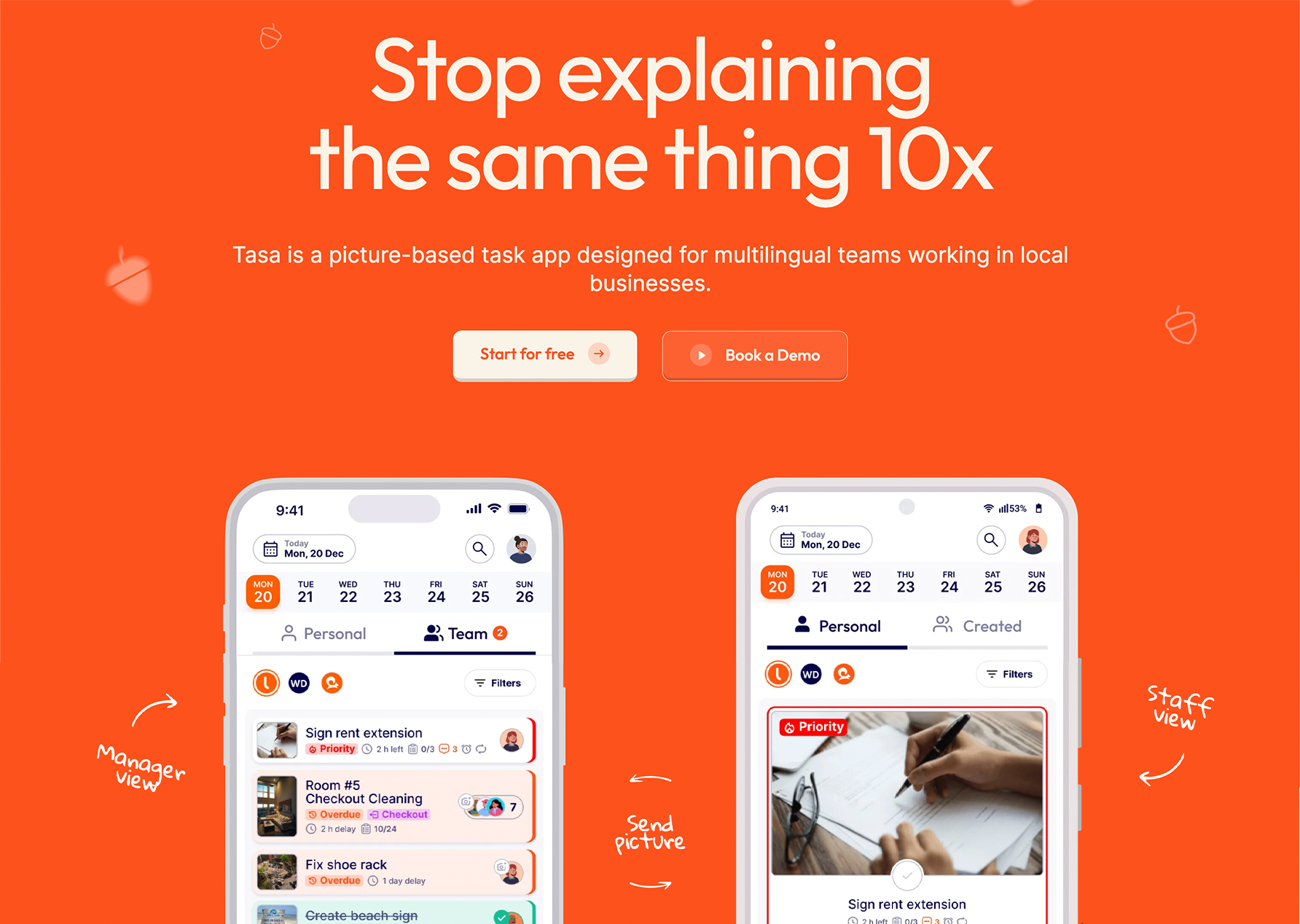
For multilingual and low-literacy workers, visual workflows (photos, icons, simple steps) beat long text descriptions every time.
Automation
Manual reminders and status checks don’t scale when you manage multiple businesses or sites.
Smart automation should:
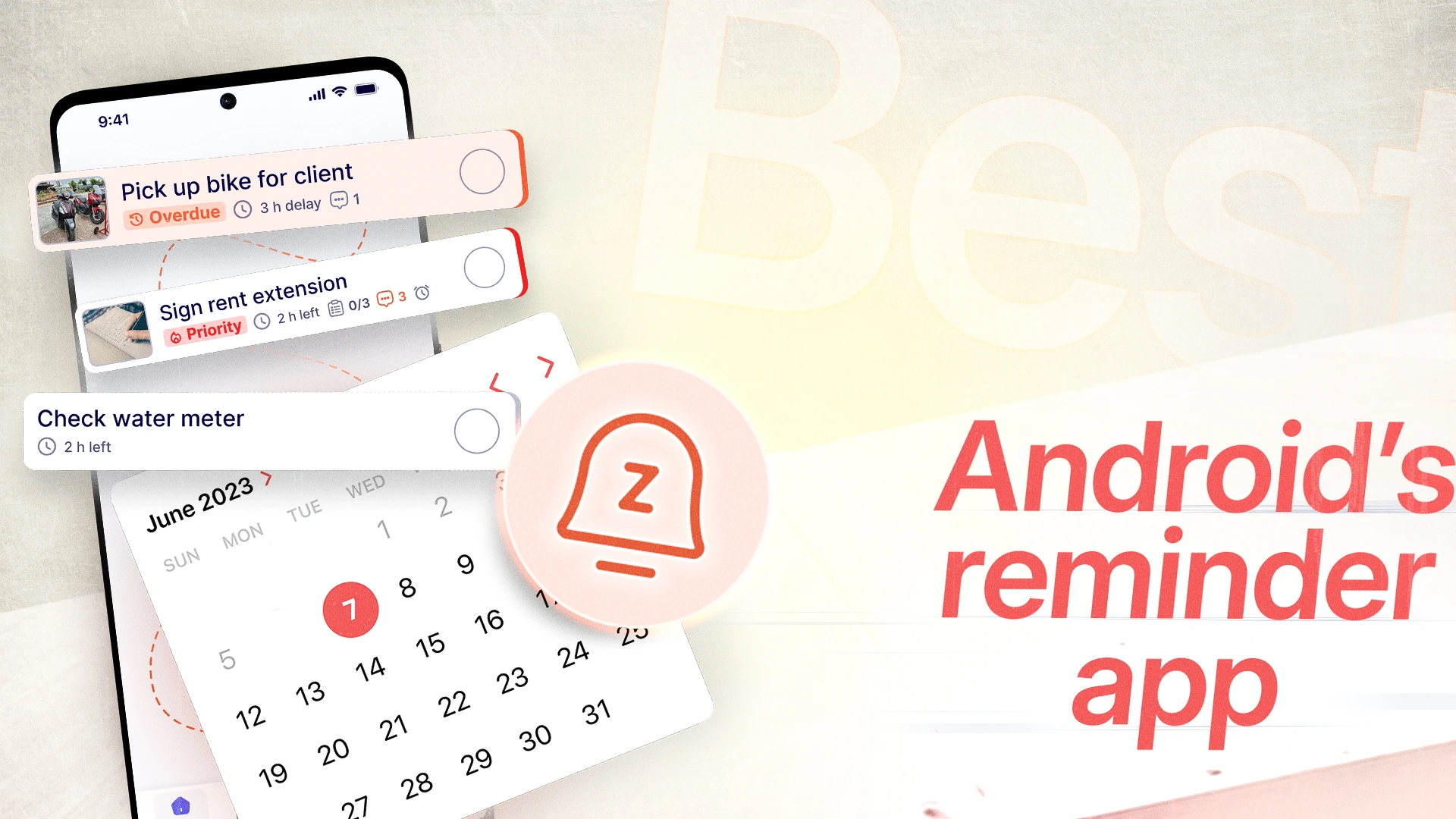
- Send reminders automatically
- Update task statuses as work progresses
- Escalate issues to the right person
Automation shouldn’t replace people; it frees them from repetitive admin so they can focus on real work.
Real-time visibility
You can’t manage what you can’t see. From one screen, you should be able to say:
- What each team is doing
- What’s overdue
- Where work is blocked
Flexibility
You may run multiple projects: a hotel and a cleaning business or several franchise locations
Your management system has to adapt to remote, onsite, and hybrid work, not force everyone into one rigid model.
Management guide for owners of multiple businesses
If you’re running more than one business (or multiple sites/brands), complexity grows fast. This section focuses on multi-business management.
Challenges you face:
- Different teams and cultures
- Different tools inherited from each business
- Limited mental bandwidth to track every detail
This management guide recommends:
- Cross-business standards:
Decide on a few shared tools and processes (e.g., one core task/ops system, one accounting system), and phase out duplicates. - Role-based dashboards:
As the owner, you need high-level KPIs and exceptions, not every single task. - Delegated frontline management:
Use clear templates and tools so local managers can run daily workflows while you oversee outcomes.
A good management system should let you:
- Compare performance across businesses
- See which site or team is slipping before it becomes a crisis
- Reuse what works in one business (e.g., onboarding template) in another
Management guide for frontline and field teams
Frontline management is different from office management. Your people:
- Aren’t sitting at a desk
- Often work in noisy, time-pressured environments
- May not share your first language
- May not be confident readers
A frontline-friendly team management needs to focus on:
- Visual instructions
- Low-friction access (QR login, minimal clicks)
- Offline capability for poor connection areas
- Photo verification instead of “trust only” checkboxes
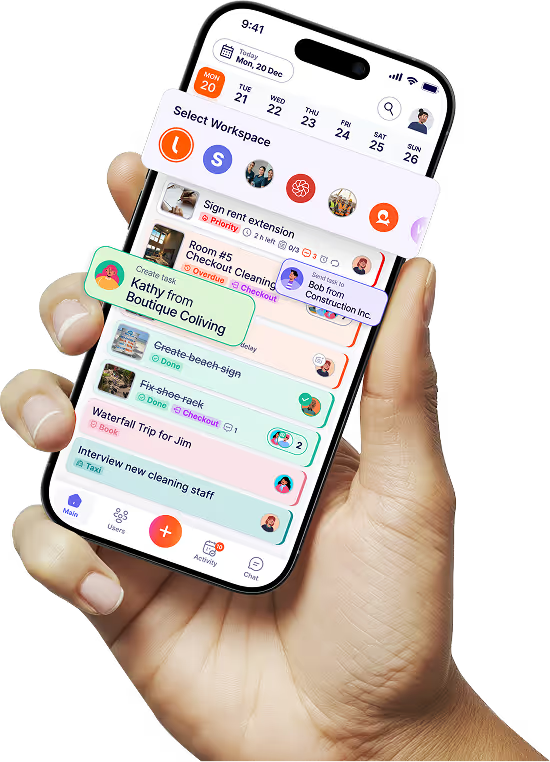
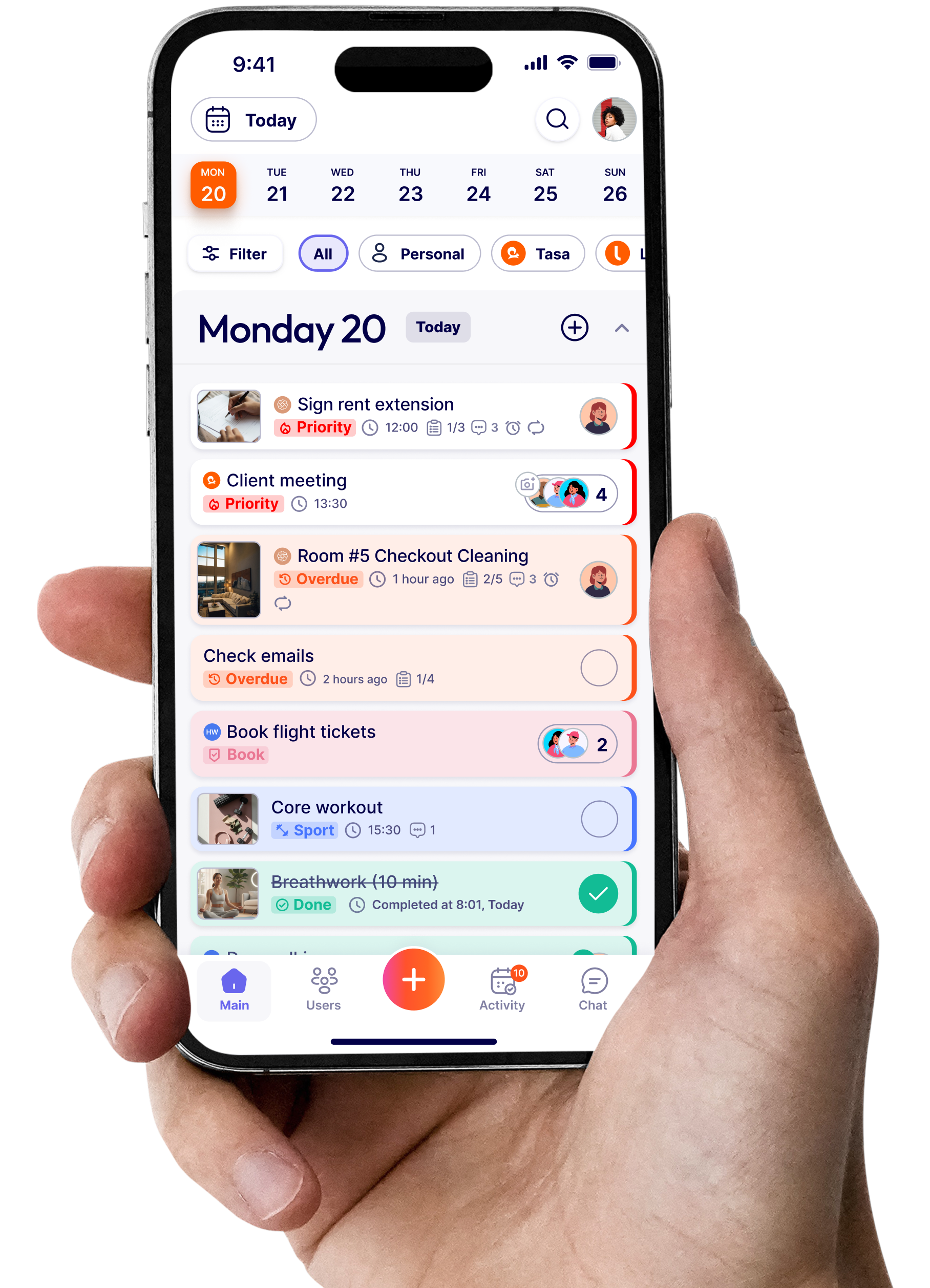
This is the world where tools like Tasa are built to make your business workflow easier:
- Picture-based tasks and checklists
- Visual proof of completed tasks
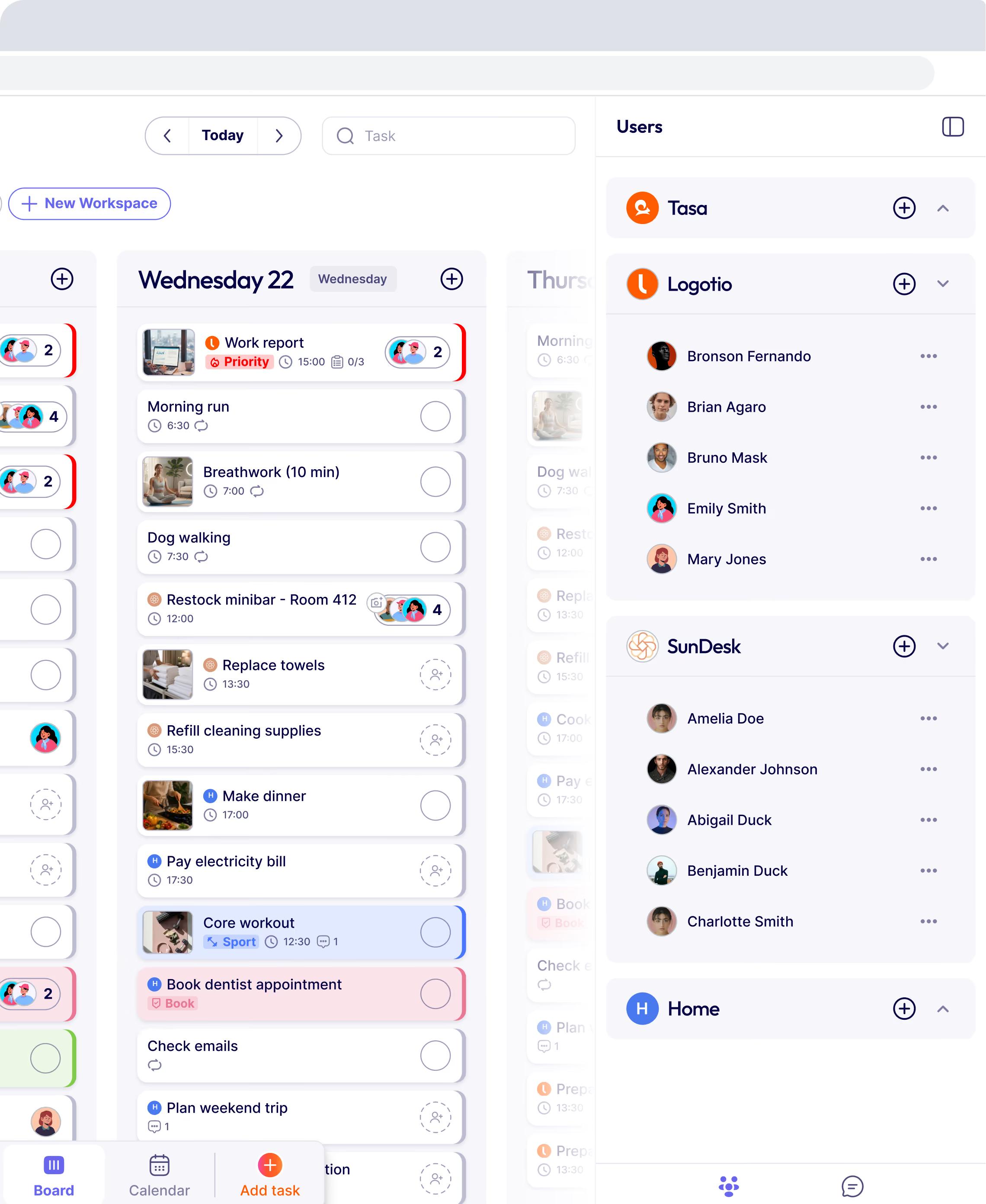
- AI translation across 100+ languages for tasks and chat
- Workspaces for separate teams, clients, or locations
For owners managing local team or local services, a tool designed for frontline reality can be the difference between chaos and calm.
Which tools belong to modern team management?
Here’s how to think about this, if you’re building a management system.
Look for:
- Multilingual support (for global or diverse teams)
- Visual, mobile-first interfaces (especially for field work)
- Automation (reminders, repeated jobs, status updates)
- Integrations (with your finance, HR, scheduling tools)
- Security and access control
Examples by use:
- Office/knowledge work: Asana, Monday.com, ClickUp for planning and tracking.
- Accounting/finance: QuickBooks, Xero or equivalents.
- Communication: Slack, Teams for ongoing discussions.
- Frontline operations and task execution: Tasa for visual, multilingual, proof-based coordination across frontline and multiligual team.
The key is not to stack too many tools, but to choose a minimal, integrated stack aligned with the principles from this management guide.
Latest News

Have questions?
.svg)
Team management, simplified.

“It affects my personal life a lot. I can manage my team and my work remotely, so I have more time being a mother.”