.svg)
Offline business ideas (2026): 9 opportunities that still work

With all the talk about SaaS, AI, and digital products, it’s easy to think offline businesses are dying. They aren’t.
Offline business ideas still matter because:
- Some people are exhausted by screens and digital fatigue is real.
- Customers still want to see, touch, and test certain products and services.
- Local communities are more aware that their spending shapes the neighborhood.
Reports on retail and small business trends highlight three big shifts:
- Experiential retail and pop‑ups are growing as people seek memorable offline experiences.
- The main reason shoppers choose physical stores is still the ability to see and feel items before buying (as noted by outlets like Retail Dive).
- Large chains (think Walmart and similar players) have doubled down on stores, proving brick‑and‑mortar still drives serious revenue, especially when combined with smart operations and basic digital tools.
Offline business ideas are not old‑fashioned. They’re simply rooted in the real world, where trust, convenience, and human contact still win.
Who offline businesses are best for
Offline business ideas tend to be a good fit if you enjoy interacting with people face‑to‑face, you want a business you can walk into and see working, a local entrepreneur who understands your area’s culture and daily needs or you prefer tangible services/products over pure digital work.
They’re especially attractive for:
- Local residents who know their community’s gaps.
- Expats who can bring outside ideas and standards to a new market.
- Hands‑on founders who want visible impact, not just dashboards.
9 practical offline business ideas for 2026
These are not start a shop clichés. Each idea includes what it takes, who it serves, and what can go wrong.
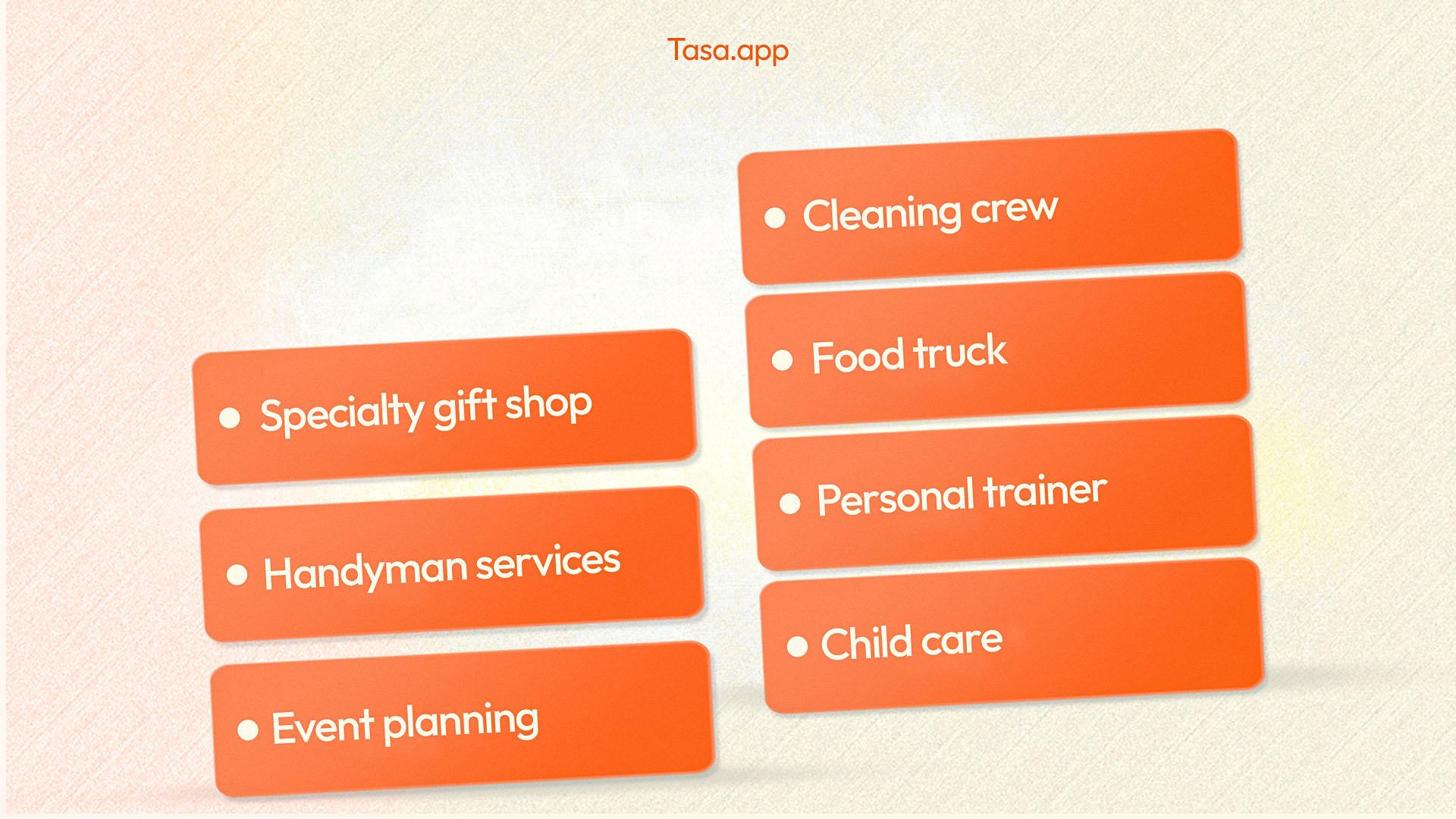
Cleaning and maintenance services
Demand for cleaning and basic maintenance remains high in homes, offices, schools, short‑term rentals, and commercial spaces. Hygiene awareness post‑pandemic and the growth of Airbnb‑style hosting keep work flowing.
What you can offer:
- Residential cleaning (regular or deep cleaning)
- Office and co‑working space cleaning
- Post‑construction or move‑out cleaning
- Light maintenance: small repairs, minor painting, yard work
Startup needs basic equipment and supplies, business registration, liability insurance, simple booking and scheduling system
Biggest challenges include:
- Recruiting and retaining reliable staff
- Keeping quality consistent across jobs
- Managing routes and schedules efficiently
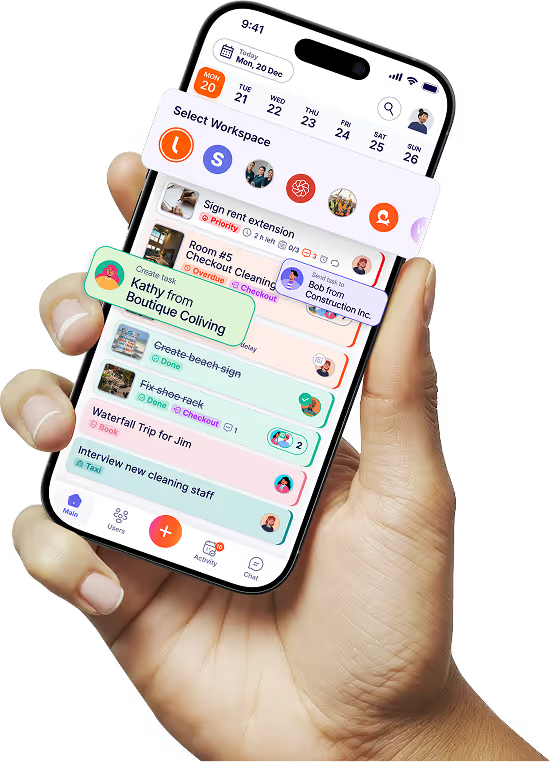
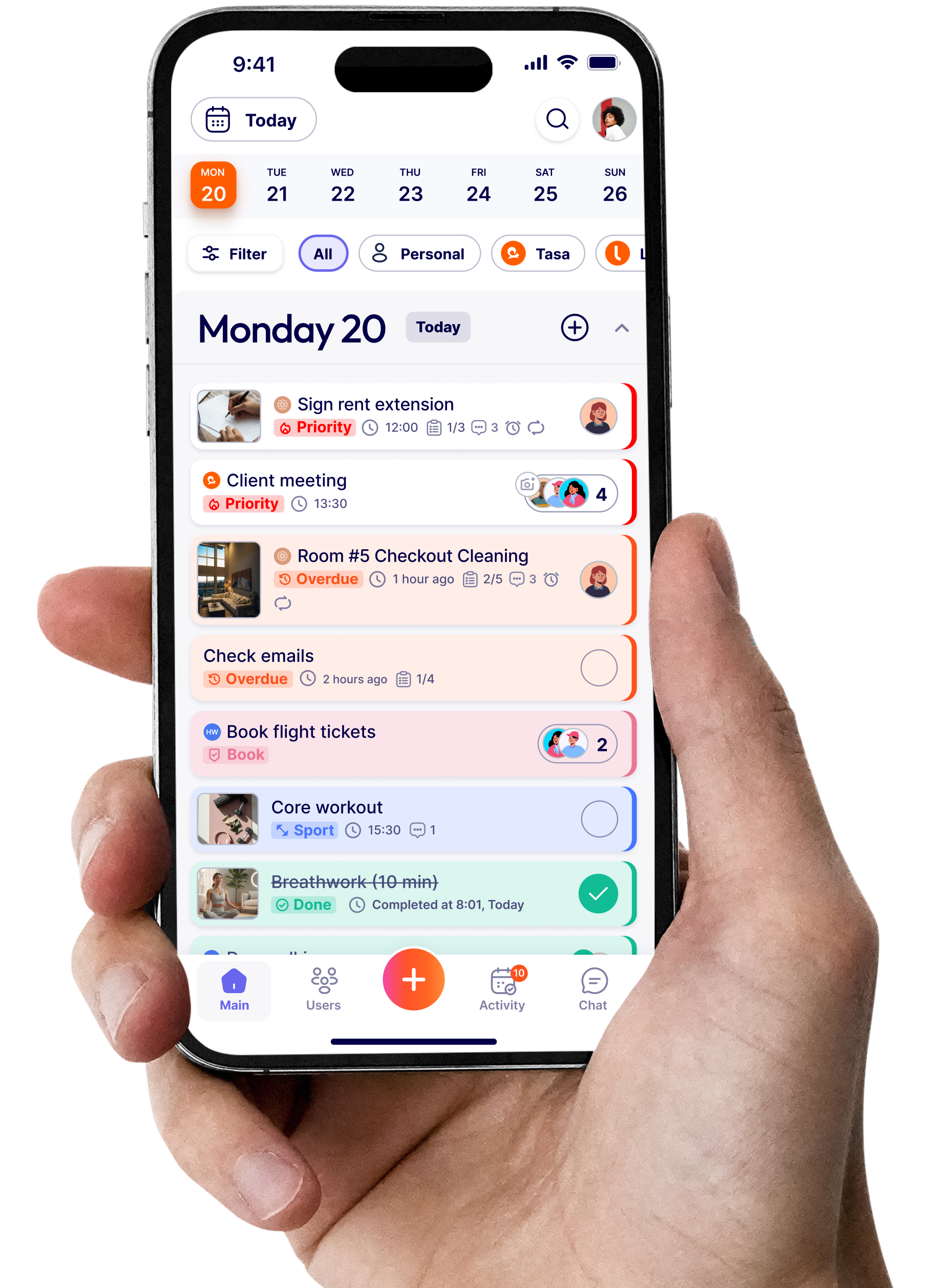
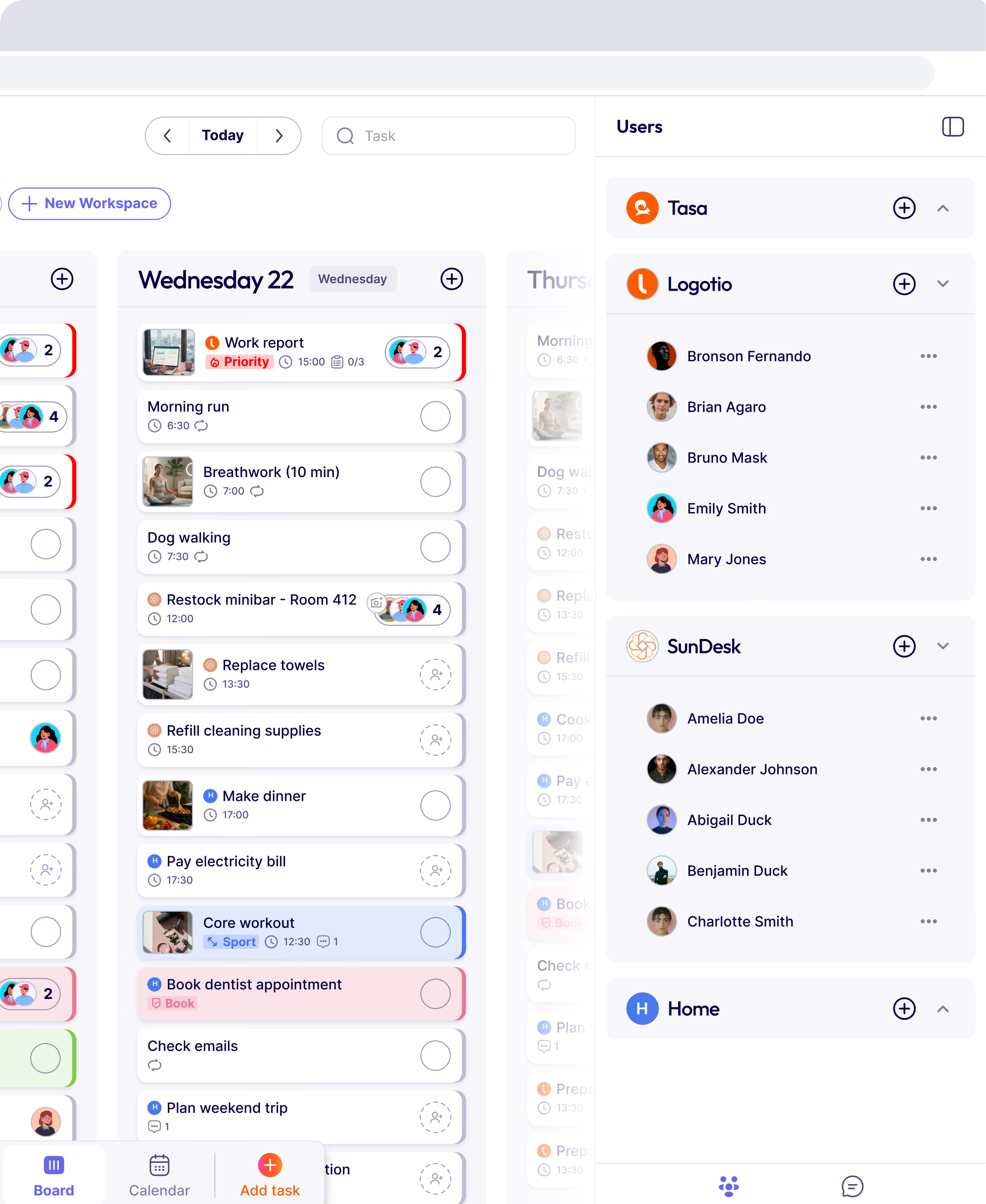
Use tech for operations, simple scheduling tools, and for teams, consider a picture‑based task app to standardize checklists and proof of work. Local hosts and property managers value cleaners who offer photo updates after each job because it makes workflow seamless.
Food truck or mobile food business
Food trucks and mobile catering are flexible and often cheaper to start than a full restaurant. You can move where the people are: events, office districts, campuses, or nightlife zones.
You can go with niche ethnic food, healthy bowls and smoothies, desserts, coffee, or bakery items
Startup needs:
- Licenced truck or trailer
- Food safety certifications and permits
- Initial menu and supplier relationships
The risk involved include regulations and inspections can be strict, weather and event dependence and finding profitable, legal spots to park
Growth tips:
- Add catering for corporate events and private parties.
- Develop a simple loyalty program (punch cards, QR codes).
- Build an Instagram or TikTok presence for your “offline brand” to stay top of mind.
Childcare, tutoring, and in‑home care
This works becuase parents and families will always pay for safety and reliability. This overlaps with multiple needs:
- Daycare or after‑school programs
- Babysitting and nanny services
- Senior companionship or non‑medical support
- Tutoring and homework clubs
Startup requirements:
- Appropriate licenses and permits (varies by country and city)
- A safe, compliant environment
- Background checks and training for staff
Challenges:
- High responsibility and legal risk
- Regulatory complexity
- Staffing and trust building
Ways to stand out:
- Offer bilingual programs or cultural sensitivity, especially in expat communities.
- Add structured activities: STEM, languages, arts, exam prep.
- Develop clear routines and communicate with parents via simple updates and photos.
Local retail or specialty store
Curated shops work when they offer something bigger chains and marketplaces don’t: uniqueness, taste, and a feeling.
This can be:
- Gift shop or concept store
- Health food, organic, or specialty grocery
- Books, stationery, local art and crafts
Startup needs:
- Location with at least some walk‑by traffic
- Thoughtful inventory selection (start small)
- Basic POS system and simple inventory tracking
Main risks:
- Overbuying stock that doesn’t sell
- Seasonal fluctuations (holidays vs slow months)
- Competing on price with bigger brands
How to make it work:
- Host workshops or events in your space (craft nights, tastings).
- Partner with local makers and share the storytelling behind products.
- Use social media and local SEO so people can find you when they search for specific items.
Personal training and wellness services
Health and wellbeing remain top priorities, especially in urban and expat communities. Many people prefer a trusted professional to guide them in person.
This can be personal training (in‑home, in‑gym, or outdoor), yoga or wellness coaching (stress, sleep, nutrition)
Startup basics:
- Certifications and insurance
- Flexible training location (client homes, shared studios, or parks)
- Clear packages and pricing
Challenges:
- Client retention and cancellations
- Income volatility early on
- Physical burnout if you overschedule yourself
Leverage:
- Semi‑private sessions (small groups) to increase income per hour.
- Partnerships with expat groups, schools, or co‑working spaces.
- Hybrid model: some sessions offline, some check‑ins online.
Home improvement and handyman services
Homes, rentals, and commercial properties always need care. Many people lack the time or skills for repairs and improvement projects.
You can offer:
- General repairs (doors, fixtures, leaks)
- Painting, minor carpentry, basic landscaping
- Apartment refress services for landlords and hosts
Startup considerations:
- Tool set and a reliable vehicle
- Proper licensing/insurance where required
- Clear pricing (hourly vs per project)
Major challenges:
- Finding and training competent help as you grow
- Managing schedules and urgent requests
- Competing with established contractors
Edge strategies:
- Offer maintenance contracts to property managers or Airbnb hosts.
- Commit to fast response times and clear communication.
- Use simple tech to assign jobs and capture “before/after” proof of work.
Event planning and on‑site coordination
This works because events are also present. People want help managing logistics for:
- Weddings and family celebrations
- Corporate events and conferences
- Community, cultural, and expat gatherings
Startup needs:
- Strong organizational skills and vendor network
- Portfolio (start with smaller events or collaborations)
- Clear packages and contracts
Risks:
- Seasonality (busy seasons vs slow months)
- High expectations and stress
- Many moving parts outside your direct control
Specialization helps:
- Focus on specific communities (e.g., expat weddings, cultural events, niche industries).
- Offer related services like decor rental, coordination only, or on‑site staff management.
Local education and skills training
People invest in upskilling when they see a clear payoff: better jobs, visas, or side income.
Offline ideas include:
- Language classes (especially for expats or locals targeting foreign markets)
- Trade skills (basic programming, design, photography, crafts)
- Test prep or professional exam coaching
- Teaching what you know
Startup pieces:
- Small classroom space (or partner spaces)
- Credible curriculum and instructors
- Basic marketing through schools, social, ads, coworking spaces
Challenges:
- Differentiating from free online information
- Maintaining consistent attendance
- Adapting content for different learning levels
Ways to stand out:
- Emphasize accountability and structure: clear milestones and feedback.
- Combine offline classes with light online support (materials, homework).
- Offer certificates or partnerships with local employers where relevant.
Local logistics and micro‑delivery
In many cities and towns, there’s still a gap between customers and merchants when it comes to fast, reliable local delivery especially outside big platforms’ coverage.
Possible models:
- Same‑day delivery for local shops (pharmacies, bakeries, hardware)
- Niche courier services (documents, fragile items)
- Partnerships with markets or malls
Startup essentials:
- A small fleet (bikes, motorcycles, or vans)
- Routing and dispatch processes
- Safety and insurance basics
Challenges:
- Fuel and vehicle maintenance costs
- Route planning inefficiencies
- Competing with big apps if they’re already strong locally
Edge:
- Focus on service quality and communication: updates, reliability, and care.
- Offer business packages for regular routes (e.g., daily store deliveries).
- Keep operations transparent so clients see where their items are.

Using simple tech without losing the offline advantage
Offline business ideas don’t mean no tech. The winners usually:
- Use basic digital tools for scheduling, payments, and planning.
- Keep a calendar app and simple CRM for client list.
- Use task management apps for themselves and their staff, especially if they run multiple sites or multilingual teams.
For example:
- A cleaning or maintenance business might use a picture‑based task app (Tasa) for checklists and photo proof across teams.
- A small shop can use a POS with basic inventory tools and send WhatsApp updates only where they add value.
- An event planner may track vendors and deadlines in a simple project management tool while doing the core work on-site.
The goal is tech should reduce friction, not add complexity to your workflow.
Choosing the right offline business idea for you
The best offline business ideas for 2026 are not the trendiest, they are the ones that solve a clear, recurring problem for people in your area, fit your skills, temperament, and risk tolerance.
If you like physical work and enjoy building local relationships, an offline venture can still be one of the most satisfying and resilient paths in business.
Download Tasa for easy workflow and Task execution
Latest News

Have questions?
.svg)
Team management, simplified.

“It affects my personal life a lot. I can manage my team and my work remotely, so I have more time being a mother.”
