10 proven ways to build a successful global team in 2026

April 8, 2026
Min Read

Content table

Your project manager is in Mexico. Your field crew is in Vietnam. You are in London reviewing photo proofs of completed work before breakfast. In 2026, this is not a logistical nightmare, it is Tuesday for leaders who have cracked the code of building a successful global team.

The old rules of management assumed everyone sat in the same room. Today, your team spans continents, languages, and cultures. The businesses that thrive are not the ones with the biggest budgets—they are the ones with the clearest systems.

This guide reveals 10 proven ways to build, align, and scale a successful global team in 2026. You will learn how to bridge language barriers, automate accountability, and create a culture where distance becomes irrelevant. Whether you manage five people or five hundred, these strategies will turn your global workforce into your greatest competitive advantage.

Why do expats and entrepreneurs need to rethink global team-building in 2026?

Today, building a successful distributed team is not just an option for expats and entrepreneurs, it is the backbone of thriving international ventures. The rise of remote and hybrid workforces has rewritten the rulebook, making it essential to adapt team strategies for a world without borders.

The shift to distributed work means you are likely coordinating across continents, cultures, and time zones. For expats, this brings both opportunity and complexity. The old approach to team building does not fit the realities of a global team in 2026.

Expats and contractors now rely heavily on international freelancers and specialists. This increases flexibility but also demands new skills in communication, onboarding, and compliance. It is no surprise that 90% of business leaders identify talent acquisition as their biggest challenge, according to Deloitte.

What sets high-performing global teams apart is their agility. Entrepreneurs abroad need teams that can adapt quickly, deliver results, and stay productive even when spread across the globe.

Angelica Krauss of RemoFirst puts it simply:

“Global teams are no longer a luxury, they are essential for innovation.”

Technology is the glue that holds international team together. AI-driven collaboration tools, cloud-based project management, and real-time translation apps are now standard. As highlighted in 2026 predictions for global teams, successful leaders are turning to smart solutions that bridge distance and diversity.

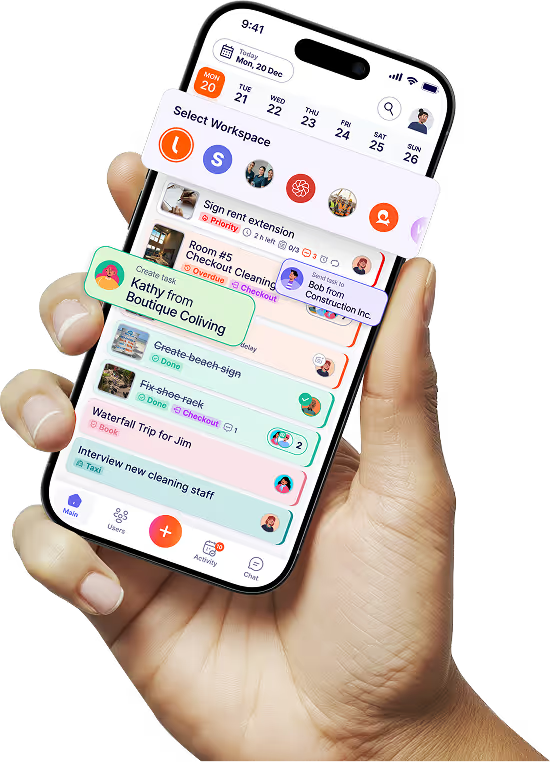
Consider an expat-run hospitality business. By leveraging a distributed team, they can provide 24/7 service, tap into local expertise, and respond instantly to market shifts. Platforms like Tasa make it possible to assign tasks, overcome language barriers, and manage productivity in real time.

The 10 proven ways to build a successful global team in 2026

Building a high-performing international team as an expat or entrepreneur is no longer optional, it is essential for sustainable growth. The right approach can turn challenges into opportunities, unlocking productivity, agility, and innovation across borders. Below are ten proven strategies to help you strengthen your distributed team in 2026, each tailored to the realities of expat life and remote business.

1. Define clear goals and roles for every team member

Every international team needs clarity to thrive. Start by setting specific, measurable objectives for both the group and each individual.

Clarifying job descriptions and responsibilities prevents confusion and overlap. Use digital onboarding checklists to ensure consistency from day one.

  • Set clear KPIs for each role.
  • Regularly review responsibilities as projects evolve.
  • Encourage open discussions about expectations.

A remote sales global team with defined KPIs often sees a 30% boost in productivity. Harvard Business Review stresses that role clarity is a top driver of team success. Consistently revisit and update goals to keep your global team aligned and agile.

2. Hire for diversity and cross-cultural competence

A truly effective global team reflects a mix of backgrounds, experiences, and languages. Seek candidates with international experience or multilingual skills.

Reduce bias by using blind recruitment tools. Value adaptability and cultural fit as much as technical expertise.

  • Prioritize cross-cultural competence in interviews.
  • Offer cultural awareness training for all staff.
  • Use platforms like RemoFirst to access global talent.

Companies with diverse global teams outperform their peers by 36% in profitability (McKinsey). The result is a more creative, resilient, and adaptable global team, ready for the complexities of international business.

3. Leverage technology for streamlined communication and collaboration

The right digital tools are the backbone of any modern distributed team. Adopt cloud-based project management and messaging apps that support asynchronous work.

AI-powered translation features are essential for multilingual teams. Standardize your tech stack to avoid confusion and keep everyone connected.

  • Choose apps that fit your team’s time zones.
  • Use real-time translation to cut miscommunication.
  • Integrate project tracking with communication tools.

Here’s a quick comparison of top collaboration tools for global teams:

Tool

Features

Best For

Slack

Messaging, integrations

Fast communication

Tasa

Picture-based tasks, AI translation

Multilingual, visual teams

Trello

Visual boards, checklists

Project tracking

For more detailed strategies, read Managing dispersed remote teams guide.

4. Emphasize trust, autonomy, and accountability

Trust is the foundation of any successful virtual team. Move away from micromanagement and focus on results.

Set up transparent reporting systems and frequent feedback loops. Use digital dashboards for real-time progress tracking.

  • Foster a culture of accountability.
  • Celebrate both wins and lessons learned.
  • Encourage autonomy in decision-making.

Companies that prioritize trust in their global teams see 50% lower staff turnover, according to Gallup. Share stories of success and challenges openly to build a supportive, resilient global team.

5. Build a strong onboarding and continuous training program

Effective onboarding sets the tone for every new global team member. Tailor your process for remote and multicultural hires.

Provide ongoing upskilling and language support. Microlearning and video training make learning accessible across time zones and literacy levels.

  • Develop a digital onboarding checklist.
  • Assign mentors or buddies to new hires.
  • Offer regular training updates.

A smooth start empowers your distributed team to contribute quickly and confidently.

6. Prioritize work-life balance and well-being across time zones

Balancing diverse schedules is one of the toughest parts of global team management. Set boundaries around meetings and availability to respect everyone’s time.

Offer flexible schedules and wellness benefits. Recognize local and international holidays to make all members feel valued.

  • Use digital tools to monitor workload.
  • Celebrate achievements in all locations.
  • Encourage regular breaks and time off.

Teams with flexible hours report 33% higher engagement. Protecting well-being helps your global team avoid burnout and stay productive.

7. Foster a culture of inclusion and recognition

Inclusion fuels motivation in any international team. Regularly spotlight achievements from all locations and encourage informal connections through virtual spaces.

Implement peer-to-peer recognition programs to boost morale. Cross-team collaboration on global projects strengthens bonds and drives results.

  • Highlight contributions from every region.
  • Create channels for social interaction.
  • Recognize both individual and team successes.

Recognition programs have been shown to increase global team happiness and retention. Make inclusion a daily practice, not just a policy.

8. Ensure legal compliance and manage cross-border payroll

Navigating international labor laws is complex for any expat leading a global team. Stay updated on regulations and use Employer of Record (EOR) services for streamlined compliance.

Automate payroll and benefits for staff in different countries. This reduces errors and costly legal fees.

  • Regularly audit compliance processes.
  • Use digital payroll platforms for accuracy.
  • Partner with global HR advisors.

Avoiding compliance pitfalls saves your international team time and money, letting you focus on growth instead of paperwork.

9. Measure performance with data-driven KPIs

Data is your ally in managing an international team. Define key metrics for productivity, engagement, and satisfaction.

Use analytics tools to spot bottlenecks and identify opportunities for growth. Regularly review and adjust KPIs to match evolving business goals.

  • Share performance dashboards with the distributed team.
  • Encourage feedback for continuous improvement.
  • Celebrate progress as a group.

Data-driven global teams adapt twice as fast to market changes. Transparency builds trust and keeps everyone aligned.

10. Invest in the right tools

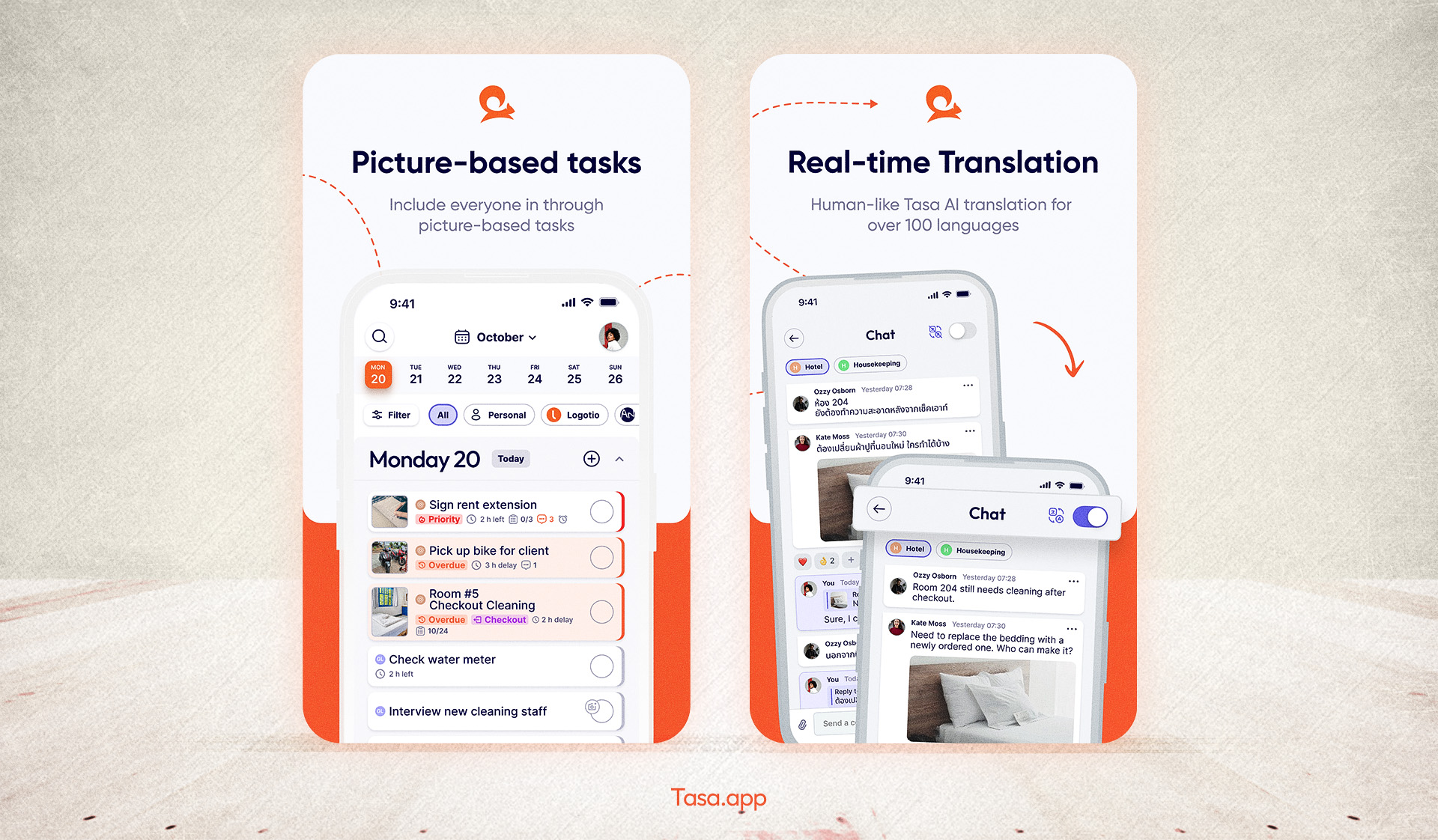
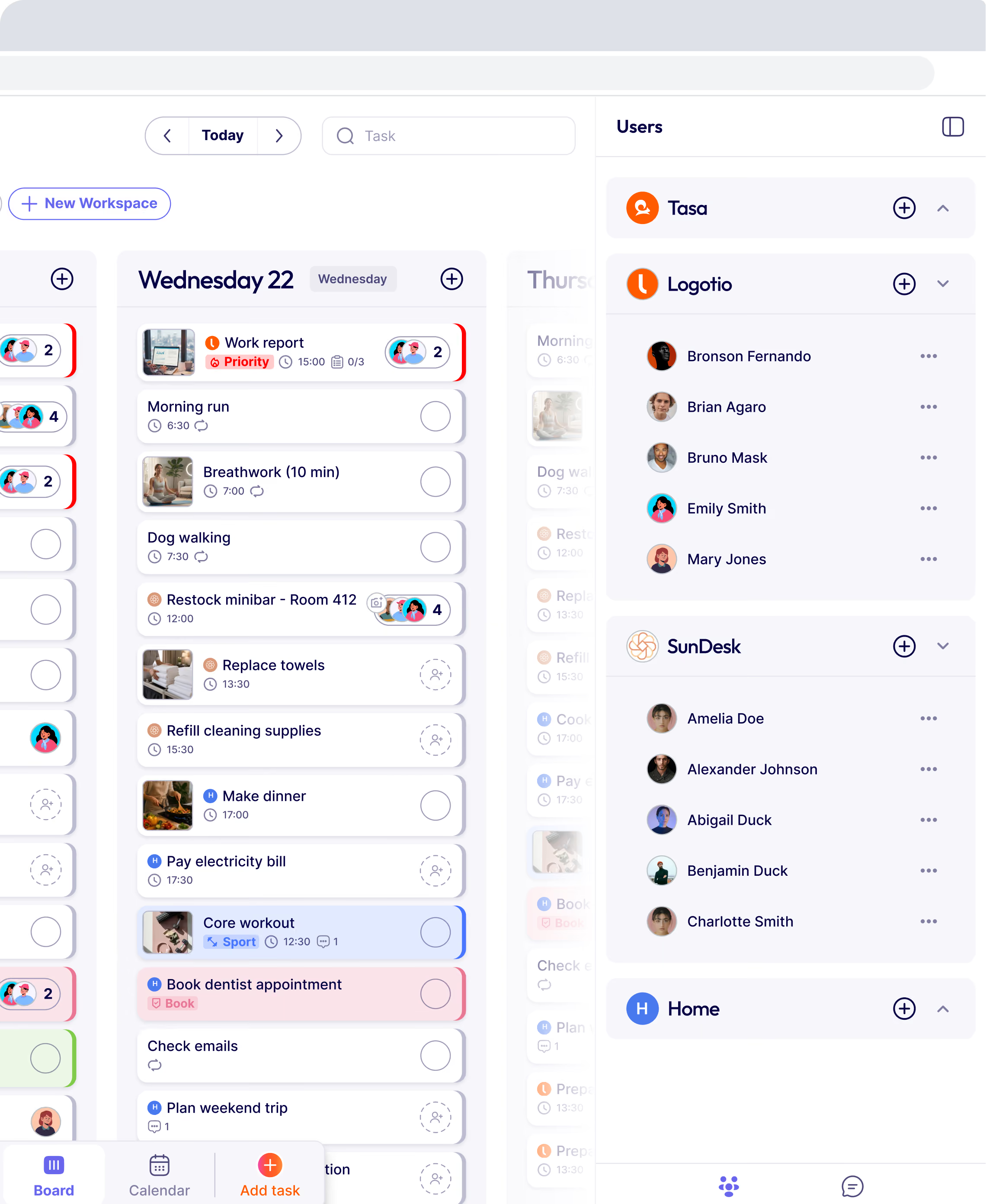
Language barriers and literacy differences are real obstacles for any global team. Picture-based and AI-powered task management apps like Tasa break down these barriers.

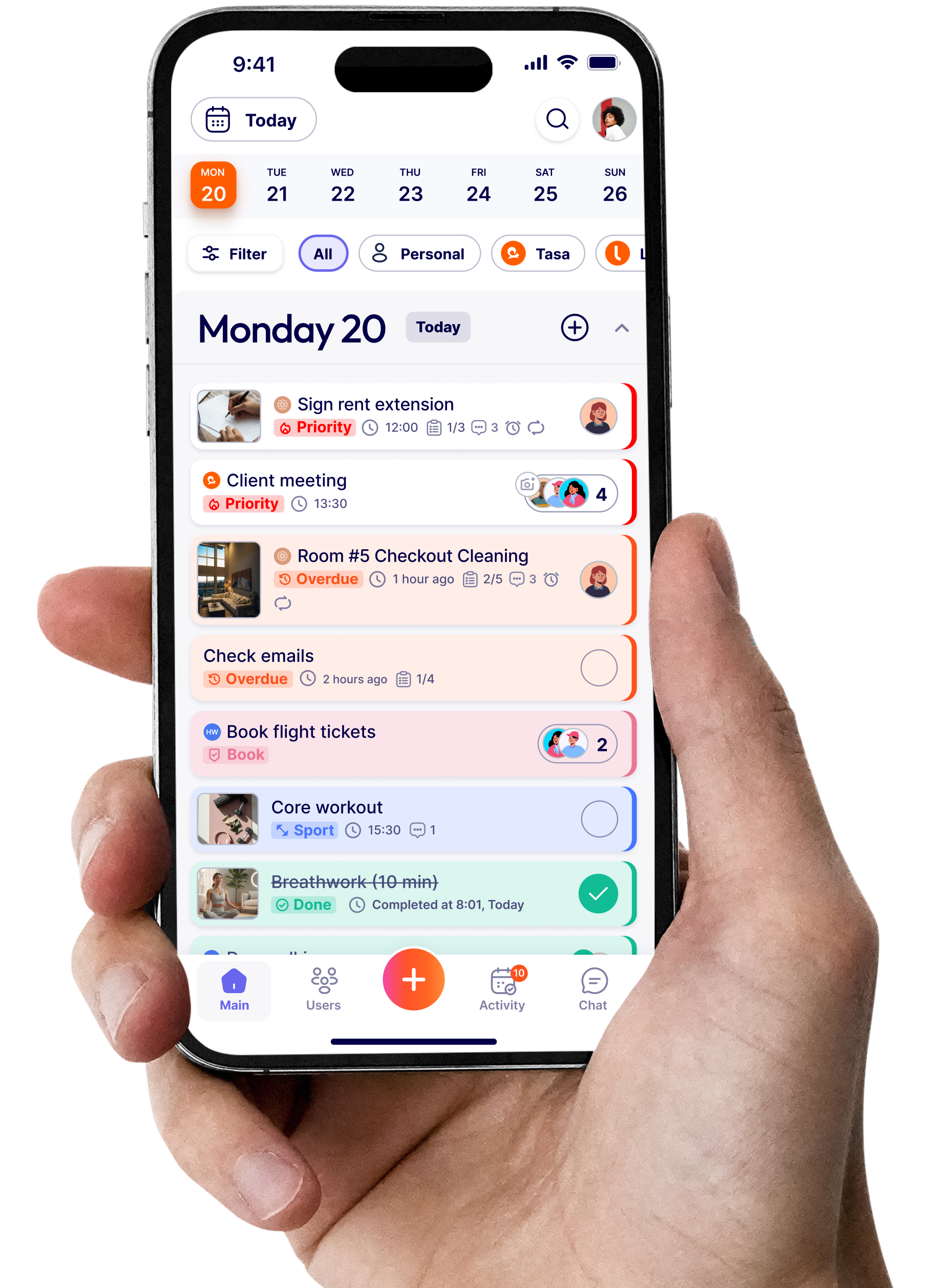
Visual task assignment reduces confusion and speeds up onboarding for expats and multicultural staff. AI translation features ensure everyone understands their tasks, regardless of language.

Tasa visual interface; picture-based task and real-time translation

Here’s a comparison of traditional vs. picture-based task managers:

Feature

Traditional App

Picture-based/AI App

Language Support

Limited

Multilingual, AI

Visual Tasks

Basic or None

Rich, intuitive

Literacy Required

High

Low

Expat entrepreneurs in hospitality and construction use these tools to manage staff from multiple countries with ease. The right tech empowers your virtual team to collaborate better and achieve more.

What are the biggest challenges and solutions for expats managing global teams?

Expats and entrepreneurs running a virtual team quickly realize that opportunity comes with real hurdles. Managing people across borders is more than just a time zone puzzle, it’s a daily test of communication, compliance, and culture. If you’re striving to build a truly high-performing global team, you need to anticipate roadblocks and adopt strategies that turn obstacles into strengths.

What are the main pain points for expats leading a virtual team?

Leading a international team as an expat means facing unique challenges every day:

  • Time zone headaches make real-time collaboration tough.
  • Cultural misunderstandings can derail projects and relationships.
  • Regulatory and payroll complexity brings risk and stress.
  • High turnover—remote staff may feel disconnected or disengaged.

Gallup notes that global employee engagement declines have made these issues even more urgent for leaders.

What practical solutions can expats use to strengthen their global team?

You can turn these challenges into advantages by proactively addressing each pain point:

  • Adopt asynchronous workflows: Allow team members to work when they are most productive, not just when you’re awake.
  • Schedule regular check-ins: Use short, focused meetings to maintain connection without overwhelming anyone’s calendar.
  • Hire local HR advisors: They help you navigate regulations and cultural nuances, reducing compliance risks.
  • Leverage multilingual tools: Overcome language barriers with apps and resources. For practical tips, see Multilingual communication essentials.
  • Invest in recognition: Celebrate wins and progress across your global team to boost retention and morale.

One final mistake to avoid: Trying to do everything alone.

The most successful owners know when to delegate, whether to staff, tools, or a marketing agency. Spreading yourself too thin leads to burnout and missed opportunities.

Here’s a quick comparison of traditional vs. async communication for a global team:

Approach

Pros

Cons

 Real-time only Quick answers

Scheduling headaches, burnout 

Asynchronous

Flexibility, fewer interruptions

Needs clear processes

How does technology like Tasa empower expat-led global teams?

Technology is your secret weapon as an expat leader. Tools like Tasa use visual, multilingual task management to make sure everyone on your global team understands their assignments—no matter their language or literacy level.

For example, an expat entrepreneur in Southeast Asia used Tasa to manage a hospitality staff from five countries. Visual tasks and instant translation cut miscommunication and saved hours each week, letting the virtual team focus on guest experience.

Why is asynchronous communication a game-changer for a distributed team?

Letting your global team work and respond on their own schedule avoids time zone clashes and keeps projects moving. It creates space for deep work and gives everyone a fair voice.

Carmen Williams, expert at Global Teams, puts it simply:

“For expats, the right technology isn’t a luxury—it’s a necessity for seamless cross-border collaboration.”

The path forward for expats and their global team

Managing a global team as an expat is never simple, but with the right systems, empathy, and tools, you can turn challenges into competitive advantage. Prioritize clear communication, cultural understanding, and technology like Tasa to build a resilient, thriving global team.

How can you future-proof your global team for 2026 and beyond?

Staying ahead as an expat leader means your global team must be ready for anything—new tech, shifting regulations, or sudden business opportunities. In 2026, the pace of change is only accelerating. To ensure your virtual team thrives, you need both strategy and the right tools.

What are the most effective ways to keep your global team resilient and high-performing?

  • Prioritize continuous learning: Encourage your distributed team to upskill regularly. Offer micro-courses, language classes, or leadership workshops that fit different time zones and learning styles.
  • Audit your digital toolkit: Routinely review which collaboration and workflow tools your team uses. Replace outdated solutions with platforms that support asynchronous work, visual task management, and multilingual communication.
  • Stay agile: Monitor global regulations and market conditions. Adapt quickly by updating processes and documentation, especially for compliance and payroll.
  • Nurture global leadership: Identify team members with cross-cultural experience. Build a leadership pipeline that prepares them for remote management and decision-making.
  • Invest in team building: Combine virtual meetups with in-person retreats when possible. Foster trust and camaraderie across borders.

Comparison table: Key approaches to future-proofing your global team

Strategy 

Description

Example Tool/Resource

Continuous Learning

Ongoing upskilling, language, and soft skills

Online microlearning apps

Digital Toolkit Upgrade

Regularly updating collaboration platforms

Tasa, Slack, Trello

Compliance Agility

Adapting to new laws and taxes

EOR services, legal advisors 

Leadership Development

Training for cross-cultural management

Internal mentorship

Hybrid Team Building

Mix of online and offline activities

 Virtual event apps

Why does the right app matter for expats?

Managing a distributed team from abroad is complex. Tasa is designed for expats, offering picture-based and multilingual task management that bridges language and literacy gaps. This ensures everyone stays aligned, no matter where they are.

Get started with Tasa for free

What is the main problem Tasa solves?
How many languages does Tasa support?
What is the biggest mistake leaders make with global teams?
What KPIs actually matter for global team performance?

Team management, simplified.

Start your free team plan
Sync your local and international team with visual tasks and built-in AI translation.

“It affects my personal life a lot. I can manage my team and my work remotely, so I have more time being a mother.”

Magdalena from Sundesk
Magdalena Herrmann
Founder of SunDesk

Book a demo

Thank you! Your submission has been received!
Oops! Something went wrong while submitting the form.