.svg)
Multilingual team: 7 ways they drive business success
The modern multilingual workplace doesn’t stop at national borders. Remote work, hybrid setups, and global hiring mean many organizations now rely on at least one multilingual team, often several.
Done well, multilingual teams are a superpower:
- They spot opportunities others miss.
- They understand customers more deeply.
- They adapt faster to change.
Poorly done, it brings frustrations, miscommunications, delays, and a quiet hierarchy where only the strongest language speakers are really heard.
This guide breaks down seven ways multilingual teams drive business success, and then looks at practical ways to remove communication barriers, especially for frontline and dispersed teams.
Key takeaways
- A multilingual team spans three or more working languages; it differs from a bilingual pair and from a multicultural team, though the three often overlap.
- The business benefits are concrete: faster innovation, clearer communication habits, direct access to global markets, better retention, and stronger decisions, in the workplace and across the workforce.
- The main challenges are language barriers in daily instructions, meeting and documentation gaps, and an invisible hierarchy that silences non-native speakers.
- Technology closes the gap: AI translation, live captions in multilingual meetings, visual task management, and plain-language documentation.
- Tasa covers the frontline layer with picture-based tasks, automatic translation into 14 in-app languages, and photo proof of completed work.
1. Enhanced innovation through diverse perspectives
A multilingual team usually means people grew up in different countries, think in different languages, and bring varied cultural references to the table.
That’s powerful for innovation.
Research repeatedly shows that multicultural teams are more likely to generate new ideas and avoid groupthink. A Harvard Business Review study found that companies with higher diversity were significantly more likely to increase market share and capture new markets.
Why?
- Different languages shape thinking patterns.
- What’s “obvious” in one culture is not in another.
- Multilingual team members question assumptions more naturally.
2. Improved communication and collaboration
A multilingual team, by necessity, has to think hard about how to communicate clearly.
Teams that do this well often standardize basic vocabulary and terms, use glossaries or style guides, and document SOPs in more than one language where needed.
Helpful practices include:
- Plain language for core policies and instructions.
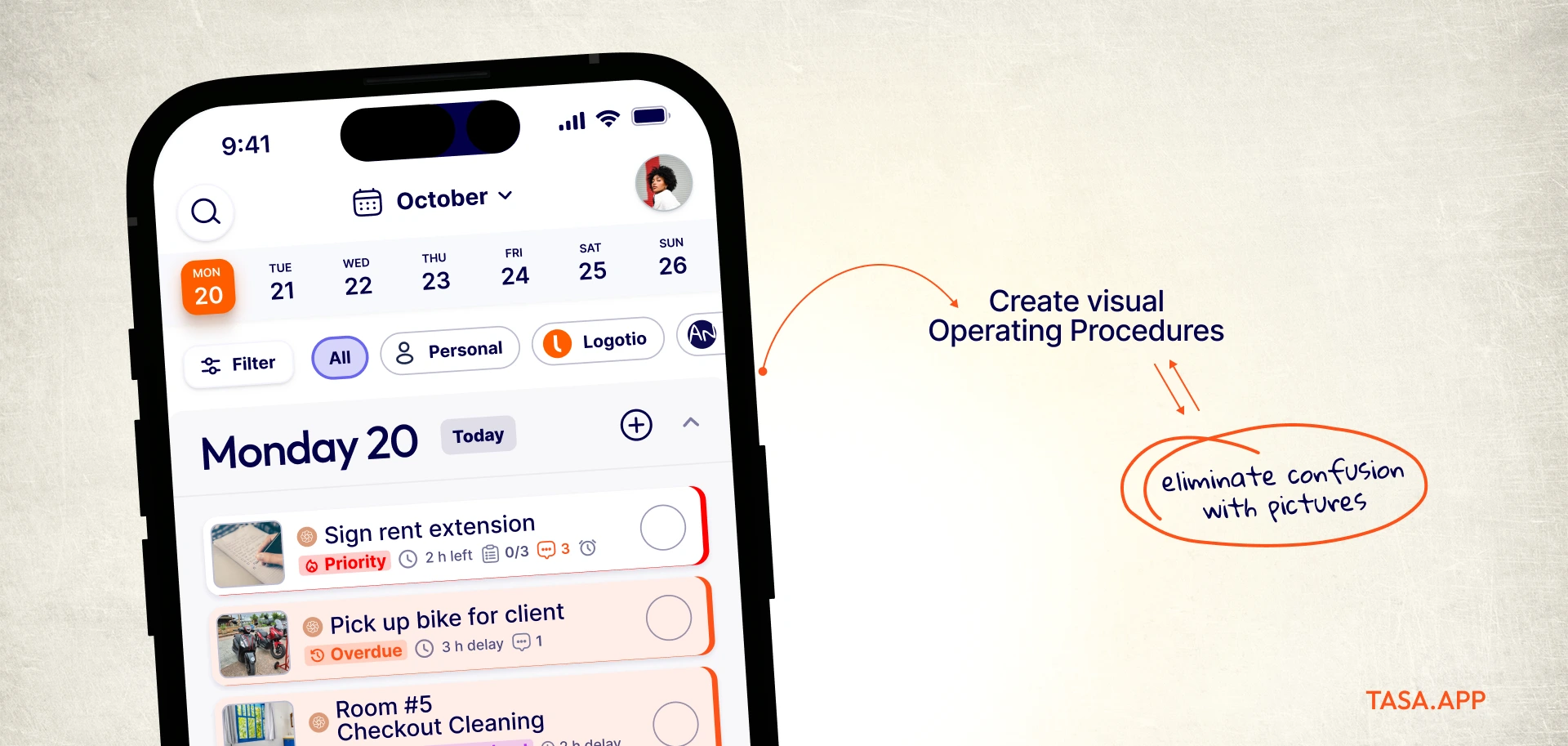
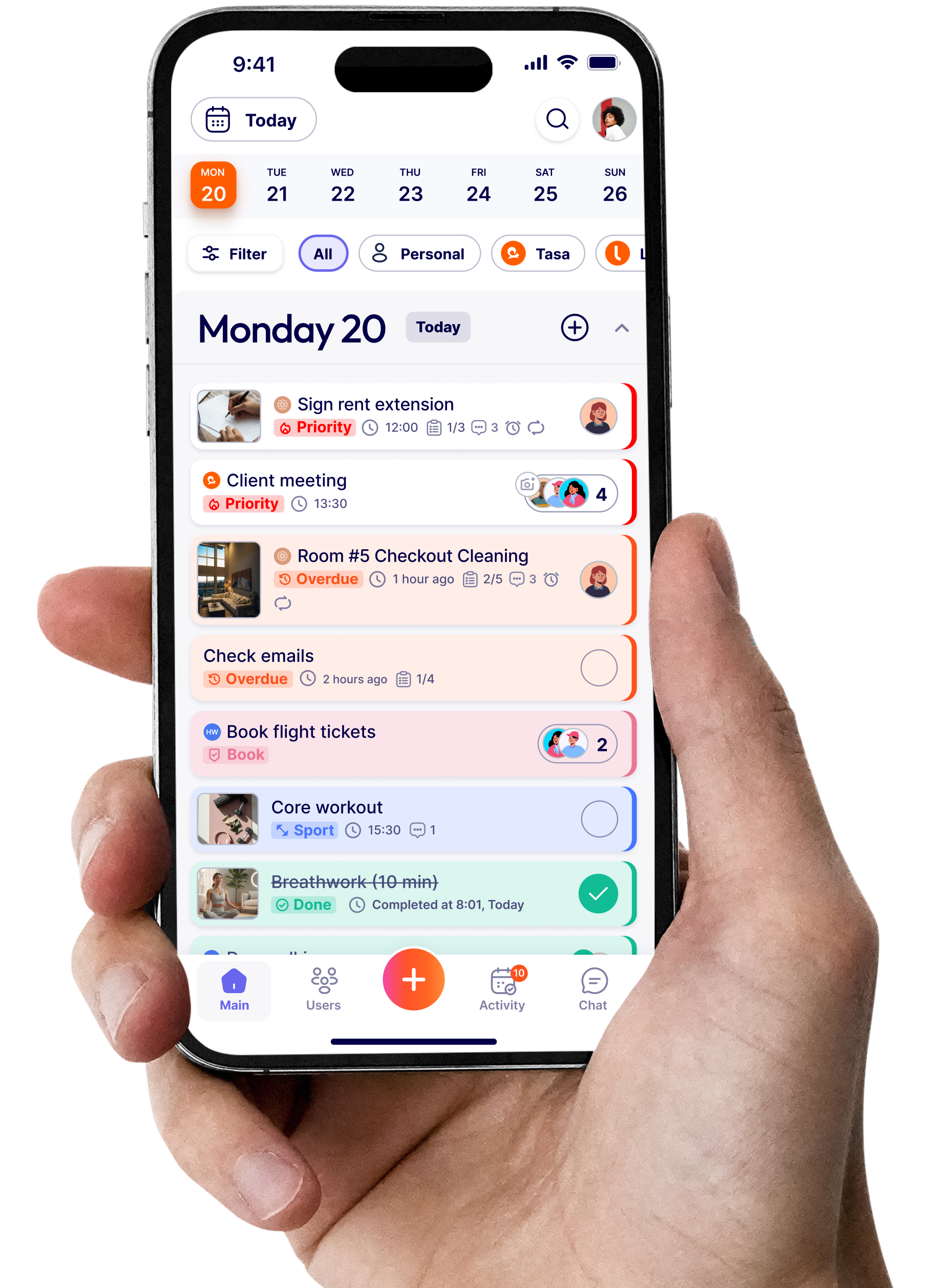
- Replace long textual instructions with picture-based tasks: workers see what needs to be done with a photo and a short caption in their language.
- Real-time translation for foreign team members.
- Clear SOPs that everyone can access.
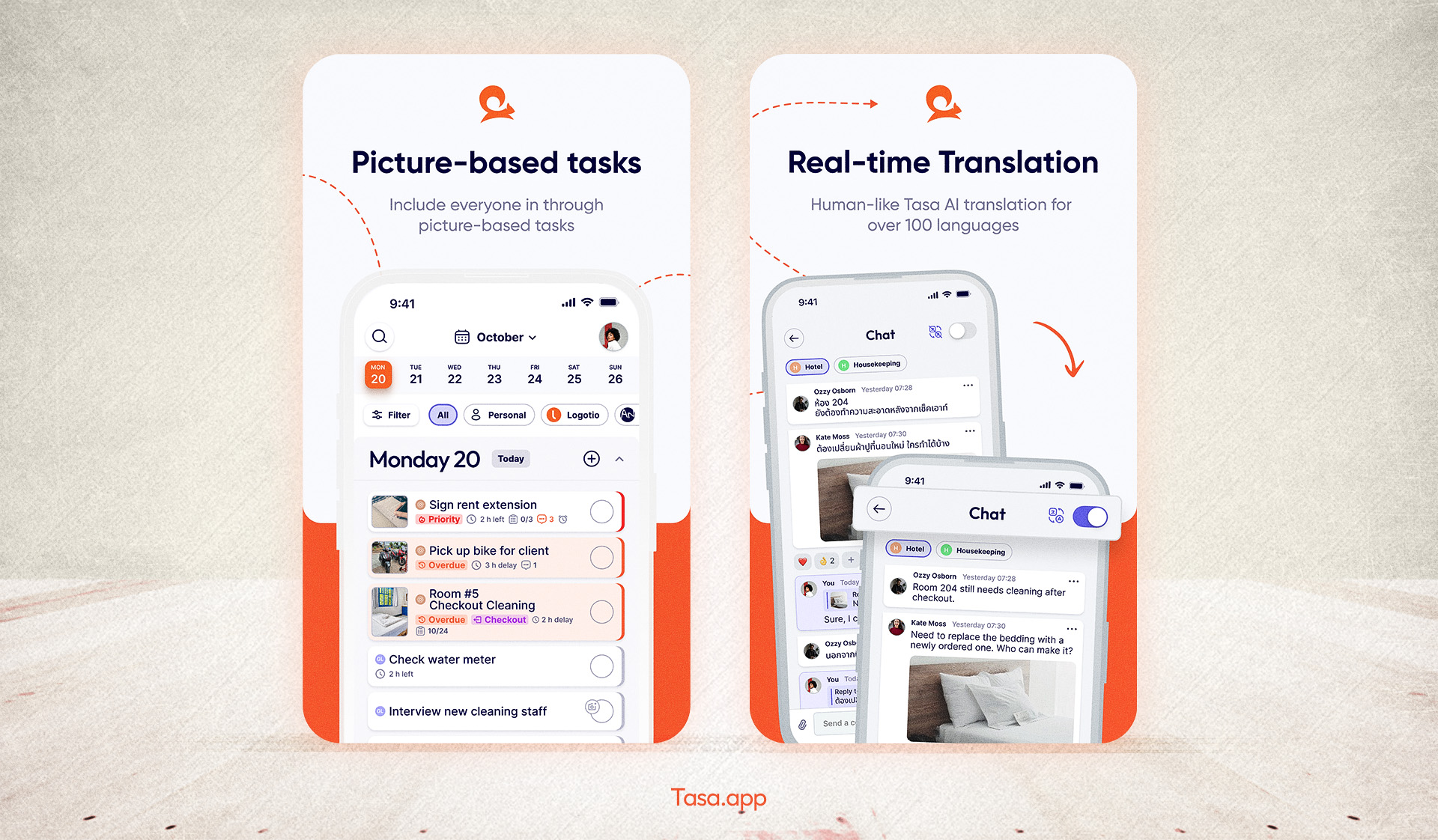
All of this is possible in one app (Tasa). It reduces miscommunication among staff members while keeping everyone accountable.
3. Greater access to global markets
A multilingual team can confidently talk to customers in their own language, understand local regulations and customs, and spot opportunities competitors miss because of their local familiarity.
This goes beyond simply translating a website. It touches:
- Product fit: adjusting features to local preferences.
- Marketing: picking the right channels and tone.
- Sales and customer support: negotiating and troubleshooting without a language barrier.
- Compliance: understanding local documentation and reporting.
The result is faster, more sustainable growth in those markets.
4. Increased employee engagement and retention
When people can read HR announcements in a language they actually understand, receive training and safety information clearly, and see their own languages and cultures recognized, they feel seen and respected.
Benefits:
- Higher retention
- Stronger loyalty
- Better onboarding and faster ramp‑up.
Practical moves:
- Translate key HR and safety materials.
- Offer at least basic language options in internal portals.
- Use visual or picture-based content for critical tasks (for frontline teams).
5. Stronger problem‑solving and decision‑making
A multilingual team naturally introduces cognitive diversity: different risk tolerances, ways of framing problems, and expectations about what “good” looks like.
In complex or high‑stakes situations, this reduces blind spots:
- One teammate sees regulatory risks another would miss.
- Someone else sees a reputational or cultural risk that isn’t obvious to outsiders.
- Combined, they create more robust decisions.
To tap this potential, leaders should:
- Encourage structured debate where disagreement is safe.
- Use visuals to clarify concepts and data (charts, process maps).
- Set up meetings with clear agendas and summaries so language doesn’t become an excuse for confusion.
6. Real‑time adaptability and agility
Multilingual teams often work across time zones. With thoughtful systems, this becomes an asset:
- Work can move “around the clock” as time zones hand off.
- Local updates after a shift can be picked up by another region.
- During crises, someone is always awake and able to respond.
But this agility only works if communication is clear and documented, handovers are structured (not ad‑hoc chats), and tools support asynchronous work (recorded updates, shared boards, visual tasks).
Tasa supports this for operational work:
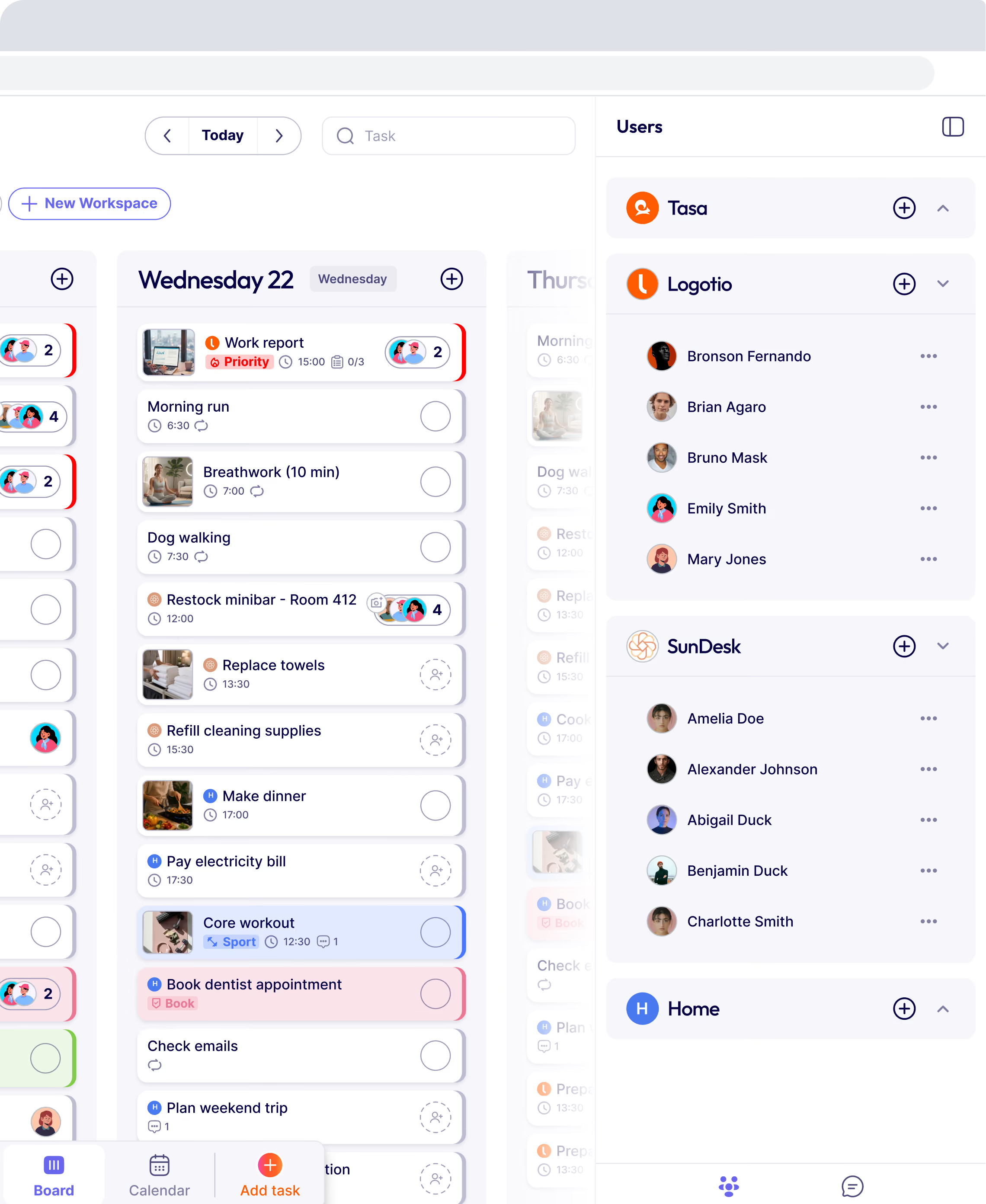
- Tasks can be set to repeat for different shifts and sites.
- Each shift leaves photo‑based evidence of what was done.
- Managers in another country can review and adjust without needing live calls with every worker.
7. Building a resilient and inclusive company culture
A well-supported multilingual team is often more inclusive by default, empathetic to differences, and robust when markets or conditions shift.
Inclusive practices include:
- Rotating who leads meetings,
- Celebrating cultural holidays and language days,
- Encouraging people to share traditions or local insights,
- Ensuring decisions and notes are accessible to those who missed live discussions.
McKinsey and others have documented how psychological safety and inclusion boost both performance and innovation. Multilingual teams, when well-supported, are often the engine of that inclusion.
Actionable tips for managers of multilingual teams
If you’re managing a multilingual team (especially with frontline or dispersed staff), here’s a concise playbook:
Define your primary working language(s):
Make it explicit and make translation provision for foreign members.
Make instructions visual wherever possible
Use photos, diagrams, and short captions. For operations, use an app like Tasa that bakes this into daily tasks.
Support non‑native speakers
- Explicitly invite questions.
- Slow down in critical meetings.
- Share written summaries after calls.
Use the right tools for the right layer
- Chat + meetings for discussion.
- Project/task tools for planning.
- Tasa for on‑the‑ground execution and proof.
Listen and iterate
- Ask, “What’s getting lost in translation?”
- Adjust processes and vocabulary as you learn.
What are multilingual teams, and how are they different from bilingual or multicultural teams?
The terms overlap but are not interchangeable:
- A bilingual team works across exactly two languages, for example an English-Spanish crew in Texas.
- A multilingual team spans three or more working languages, for example a Berlin hotel team speaking German, Polish, Turkish, and Arabic.
- A multicultural team is about cultural backgrounds, not languages: people may all speak English yet still differ in holidays, hierarchy expectations, and how disagreement is expressed.
Most real teams are all three at once. The practical difference matters for tooling: a bilingual team can sometimes survive with one shared language plus occasional translation, while a multilingual workforce usually needs systems that work across many languages at once, which is where visual communication and automatic translation pay off.
Do multilingual people have higher IQs?
No, speaking several languages does not raise your IQ. This is a popular claim, and the honest answer from decades of research is more modest: studies on the cognitive effects of bilingualism point to small advantages in specific executive functions, such as switching attention and ignoring irrelevant information, not to higher intelligence overall. Some studies fail to replicate even those effects.
For business, the useful takeaway is different: the value of a multilingual team is not smarter individuals, it is complementary capability. Someone who notices a translation error in a customer contract or hears hesitation in a supplier's voice delivers business value that has nothing to do with IQ scores.
What are the most common challenges multilingual teams face?
The seven benefits above are real, but they only appear when the friction is managed. The challenges that come up again and again:
- Language barriers in daily instructions: written task lists and SOPs silently exclude part of the team.
- Meeting gaps: fast talkers dominate, non-native speakers hold back, and nuance is lost.
- The invisible hierarchy: decisions drift toward the strongest-language speakers regardless of expertise.
- Documentation debt: glossaries, safety rules, and onboarding materials exist in one language only.
- Misunderstanding escalation: small comprehension gaps become quality errors and rework.
Every one of these is a process problem, not a people problem, and each one taxes workplace productivity. Teams that fix the process, visual standards, plain language, translation, keep the benefits and shed the friction.
How can technology help manage multilingual teams?
The right stack depends on the layer:
- Meetings: platforms with live captions and multilingual speech recognition (for example Microsoft Teams) help spoken conversations.
- Documents: professional translation services for contracts and compliance-critical material, machine translation for drafts.
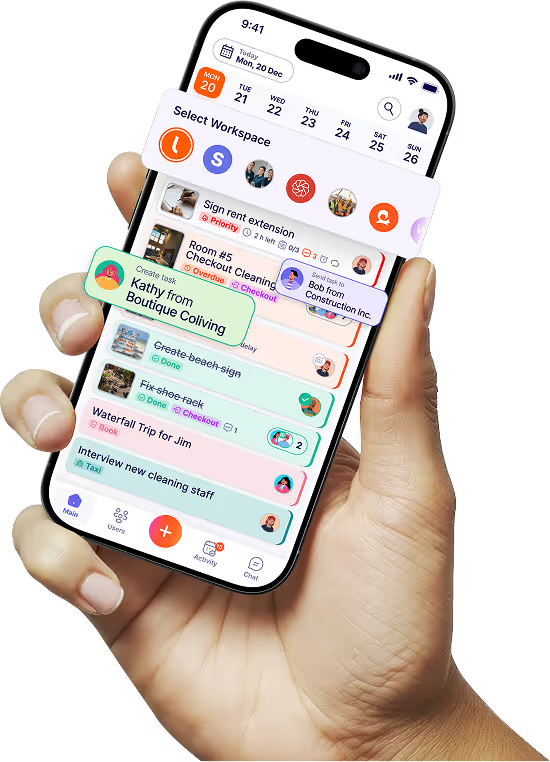
- Daily execution: visual task management where instructions are pictures first, translated automatically, and completed with photo proof.
That third layer is Tasa's territory. A manager writes a task once in their own language, every worker receives it in one of 14 in-app languages, and completion comes back as a photo, so quality no longer depends on who reads best. For teams whose work happens in physical locations rather than documents, this is the layer that determines whether multilingual becomes a strength or a bottleneck.
Does language training help multilingual teams?
Yes, but it is the slowest lever. Structured language training programs and language courses raise language proficiency over months and are worth funding for people in customer-facing or safety-critical roles. The mistake is treating training as the only answer while daily instructions stay monolingual.
The faster combination: train for the long term, and remove the dependency now, by writing critical instructions in plain language, pairing them with images, and letting software translate routine task communication automatically. That way a worker's contribution never waits on their vocabulary, and the workforce keeps full productivity.
Latest News

Have questions?
.svg)
Team management, simplified.

“It affects my personal life a lot. I can manage my team and my work remotely, so I have more time being a mother.”
