.svg)
Remote business opportunities: Hybrid businesses you can run from anywhere

Remote business opportunities used to mean “be a digital nomad with a laptop.”
In 2026, the landscape is wider and more practical. You can build fully online businesses, hybrid service companies you coordinate remotely, or even manage local teams from another country if your systems are tight.
Key takeaways
- Some of the best remote business opportunities are local, service‑heavy businesses you can manage remotely once systems are in place.
- Expats and small owners have an edge where they combine local insight with cross‑cultural experience, and basic digital skills.
- To make a local business truly remote‑friendly, you need clear routines, visible standards, and a way to see what’s happening without being on site.
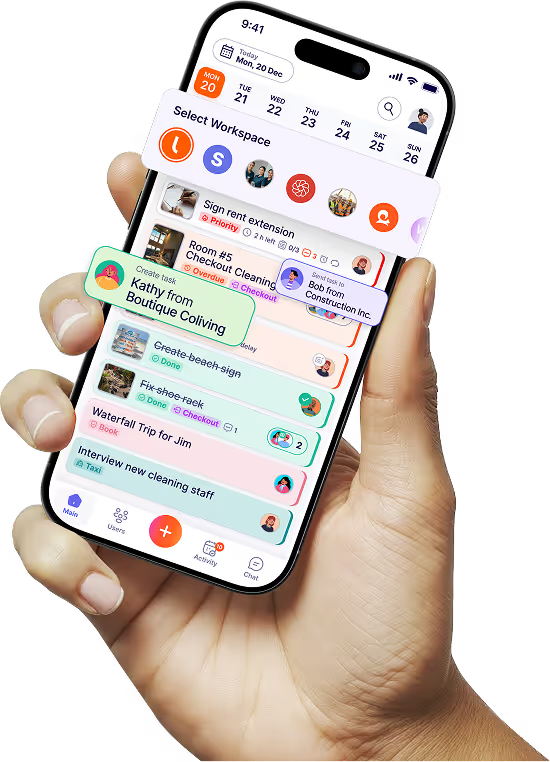
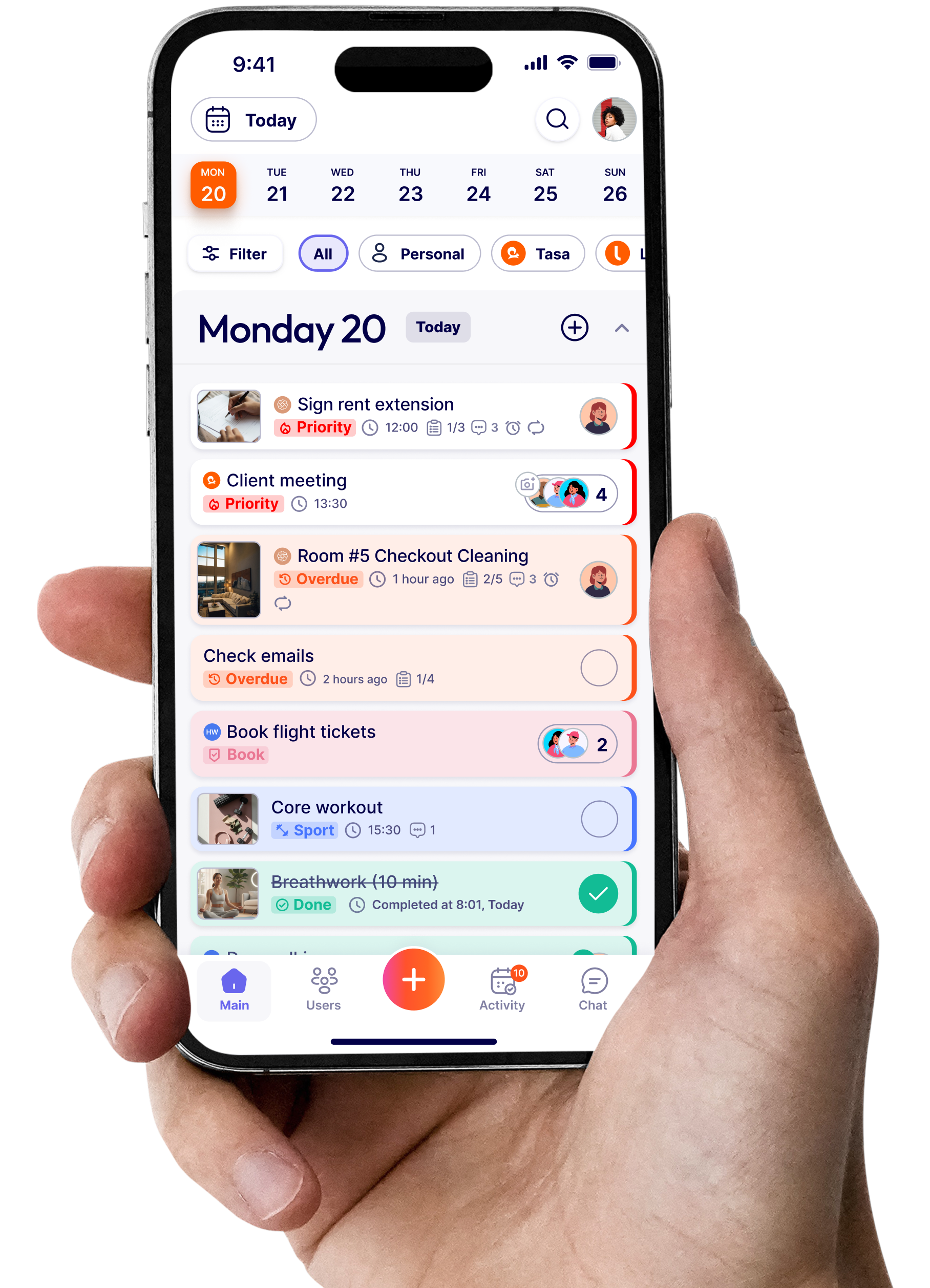
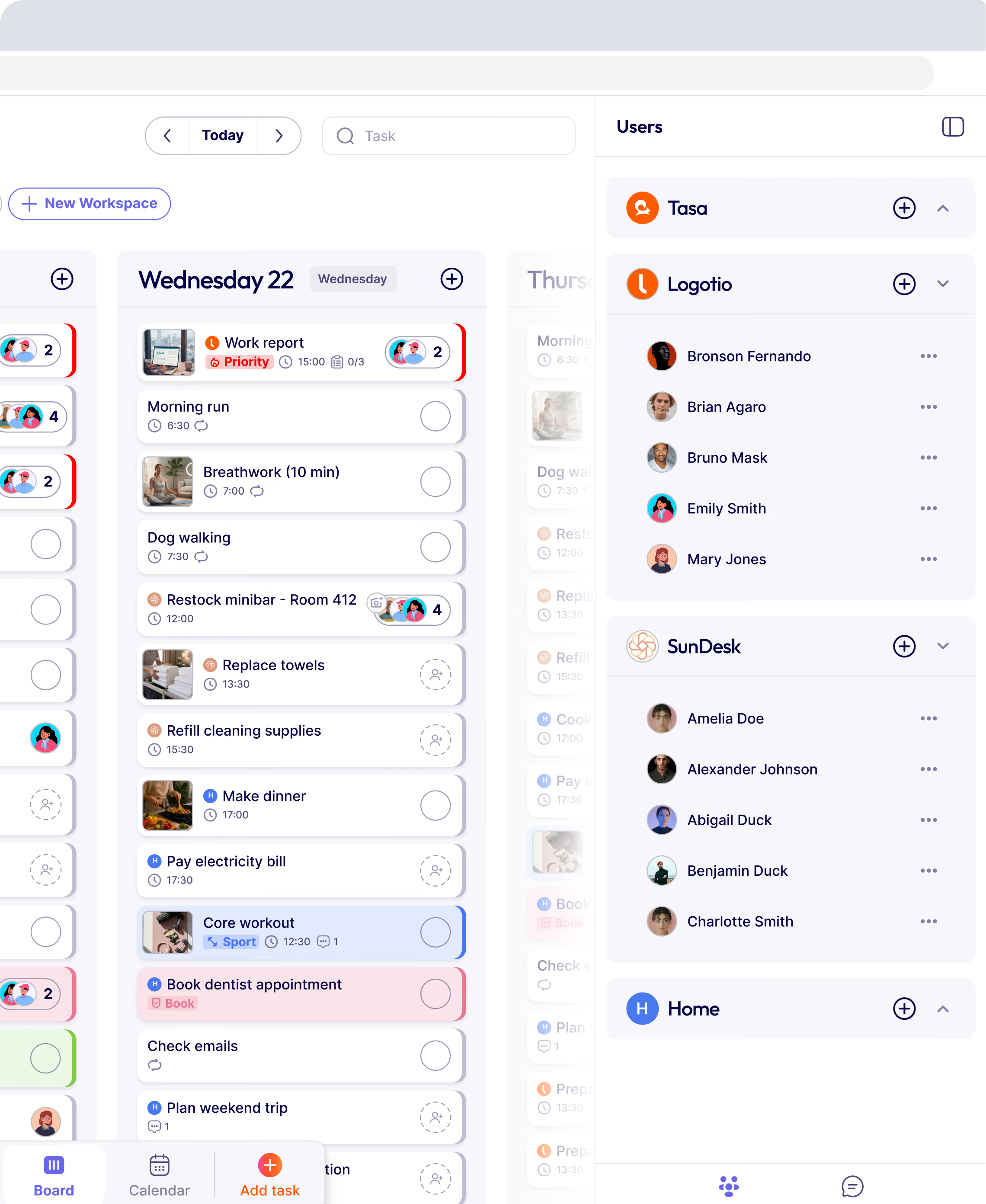
- Tasa’s picture‑based, multilingual task system is one way to build that foundation quietly in the background.
Why local, remote‑friendly businesses make sense in 2026
Three trends make this type of remote business especially attractive:
Service demand is stable: People always need housing, cleaning, repairs, food, childcare, and basic retail. These needs don’t disappear when algorithms or ad platforms change.
Operations are still often manual: In many countries, hospitality, cleaning, construction, and small retail are still run with WhatsApp messages and handwritten notes. There is room for better organization.
Tools for managing local teams have improved: Picture‑based task apps, AI translation, and QR login make it possible to coordinate frontline workers across languages from a distance.
With the right setup, you can turn a very “offline” business into a remote‑run operation.
Remote‑friendly local business opportunities for expats and owners
Below are practical ideas that combine local demand with remote management potential.
Short‑stay property management and Airbnb operations
Managing short‑stay rentals is one of the most proven remote business opportunities for expats.
You can:
- Manage apartments, villas, or rooms for owners who live abroad
- Operate your own portfolio of Airbnb/Booking.com units
- Offer full service: cleaning, maintenance, check‑in/check‑out, guest communication
Local work:
- Cleaning and laundry
- Key exchange or smart lock management
- Small repairs and inspections
Owner's remote work:
- Pricing and calendar management
- Messaging guests and handling reviews
- Vendor coordination
- Owner reporting and payouts
Where Tasa quietly helps:
- Visual turnover checklists for each unit type, with photos of “ready” standards
- Photo proof of each clean and fix, so you can check work without site visits
- Multilingual instructions for local cleaners and handymen
This combination lets you live in one country while running properties in another with confidence.
Local cleaning and housekeeping agency
Cleaning is simple to understand, hard to run well at scale, exactly why it’s such a strong local business that can be managed remotely.
Offer:
- Residential cleaning
- Office and commercial cleaning
- Airbnb and short‑stay turnovers
- Move‑in/move‑out and post‑construction cleans
Local work:
- Cleaners travelling to clients
- Supervisors visiting occasionally for quality checks
Owner's remote work:
- Sales and client onboarding
- Scheduling and route planning
- Invoicing, payroll, and complaints handling
How Tasa helps behind the scenes:
- Standard, picture‑based routines per job type (studio, office, villa, deep clean)
- Before/after photo confirmation as part of task completion
- Advanced repeat patterns for weekly and monthly jobs
You don’t need to be in the city every day once clients trust your standards and you can see visual proof after each job.
Small hospitality: hostels, guesthouses, cafés
Many expats dream of owning a small hostel or guesthouse, a café or bar, a surf camp, retreat center, or co‑living house
These businesses are hands‑on at first, but can evolve into remote‑managed operations.
Local work:
- Reception and guest support
- Housekeeping and laundry
- Kitchen or bar service
- Daily opens, closes, cleaning, and restocking
Owner's remote work:
- Branding and online presence
- Partnerships with booking platforms and agencies
- Strategic pricing and offers
- Financial and supplier management
Where Tasa fits the picture:
- Shift‑based checklists for each area: reception, rooms, kitchen, common areas
- Visual standards for bed setups, buffet layouts, signage, hygiene checks
- Fast onboarding of new staff using QR login and picture‑based tasks
After an initial period on‑site, you can reduce your physical presence and still keep operations running consistently.
Field services and maintenance businesses
Think of pool maintenance, gardening and landscaping, appliance repair, pest control, handyman or “odd jobs” services
These are classic local businesses that can be run remotely if you:
- Systematize job intake and dispatch
- Train techs well
- Put proof and feedback loops in place
Local work include technicians or crews visiting client sites and on‑site assessments and fixes
Owner's remote work:
- Receiving and scheduling jobs
- Customer service and upsells
- Billing and follow‑up
- Monitoring quality trends
Tasa helps you:
- Turn each job into a clear, visual task with photos, notes, and expectations
- Collect photo proof when work is done
- Bridge language gaps if your crew and your own first language differ
You operate like a remote “control center”, while local teams handle the physical work.
Farm, food production, and local supply businesses
In many markets, there is opportunity in:
- Small farms and peri‑urban agriculture
- Specialty food production (baked goods, condiments, frozen meals)
- Supplying local restaurants, shops, or direct‑to‑consumer boxes
Local work:
- Planting, feeding, harvesting, or production routines
- Packing and deliveries
Owner's remote work:
- Customer acquisition and retention
- Supplier and logistics coordination
- Financial and compliance management
Tasa can support:
- Daily and seasonal routines as visual tasks for staff
- Quality checks with photo evidence (e.g., packaging, labeling, product consistency)
- Language‑friendly task delivery in environments with mixed literacy
This can turn what looks like a very “present‑tense” business into one you supervise more lightly over time.
Local retail and mini‑supermarkets
A well‑run small supermarket or specialty shop can be managed semi‑remotely if:
- There is a trusted manager on site
- Tasks and routines are clear
- Stock and cash are tracked properly
Local work:
- Staff on shifts
- Stocking, facing, and cleaning
- Temperature and safety logs
- Basic customer service
Owner's remote work:
- Supplier relationships and purchasing
- Pricing, promotions, and merchandising strategy
- Monitoring sales and wastage
Tasa’s role:
- Department‑specific checklists: bakery, deli, produce, dry goods, etc.
- Photo‑based standards for displays and cleanliness
- Centralized, visual logs for inspections and audits
You may still visit periodically, but you aren’t needed for every routine decision.
Domestic and family support services
Expats often build businesses around helping other families:
- Domestic staff agencies (nannies, cleaners, drivers)
- Elder care and home‑visit services
- School run, homework club, or after‑school programs
Local work:
- Support staff visiting homes
- On‑the‑ground coordination
Owner's remote work:
- Recruiting and vetting
- Matching staff and families
- Billing, contracts, and dispute resolution
Tasa makes it easier to:
- Share routines and expectations between families and staff in a visual way
- Collect discreet proof for certain tasks (for example, child drop‑off, deliveries completed)
- Align everyone even when they don’t share a first language
This transparency is a differentiator in a trust‑sensitive business.
How to choose your remote‑friendly local business
When you think about remote business opportunities, ask:
What do I already understand?
- Industries you’ve worked in (hospitality, construction, retail, education, etc.)
- Countries and cultures you know from experience
Am I willing to manage people?
- Many of the most stable remote‑friendly businesses depend on local teams.
- If you avoid people management entirely, you will be limited to pure solo online plays.
Can I commit to systems, not just ideas?
The difference between chaos and a remote‑friendly business is often a set of simple, reliable systems: checklists, routines, shared expectations, and proof.
Where Tasa fits across these opportunities
Instead of making a separate “feature” section, it’s more useful to see Tasa as infrastructure for your remote‑friendly local business:
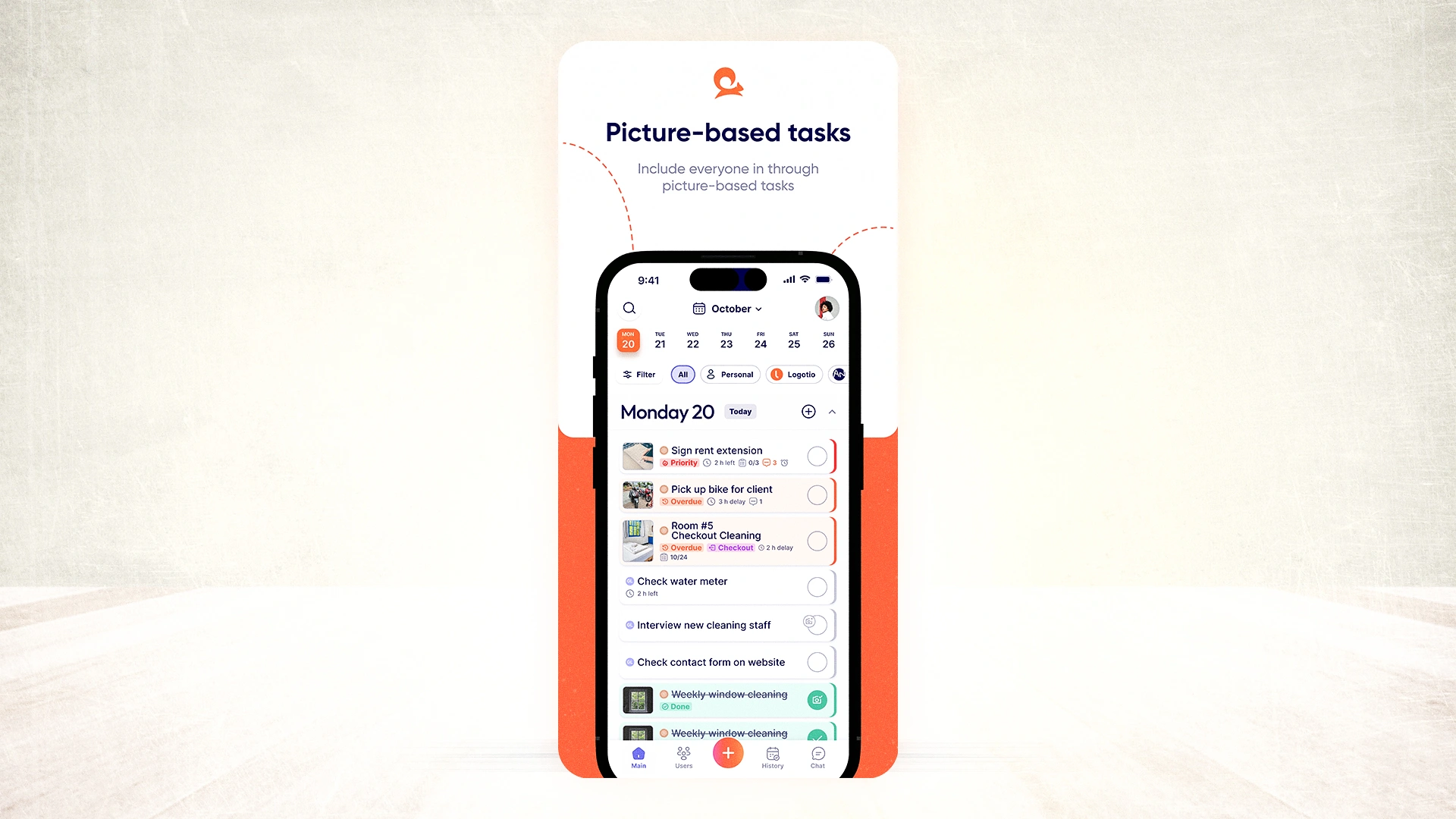
It turns vague instructions into clear, picture‑based tasks
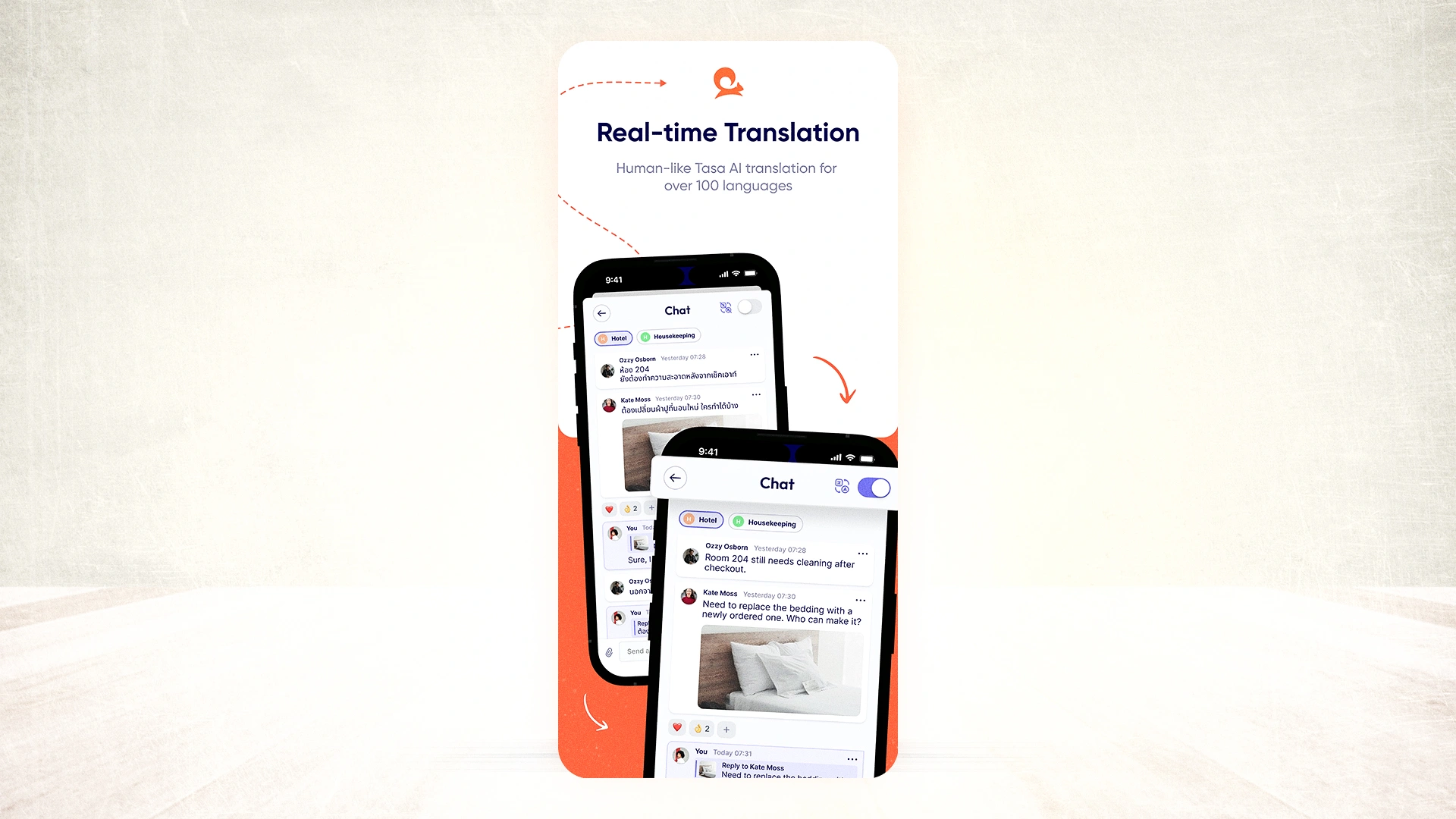
It bridges languages with AI‑assisted translation
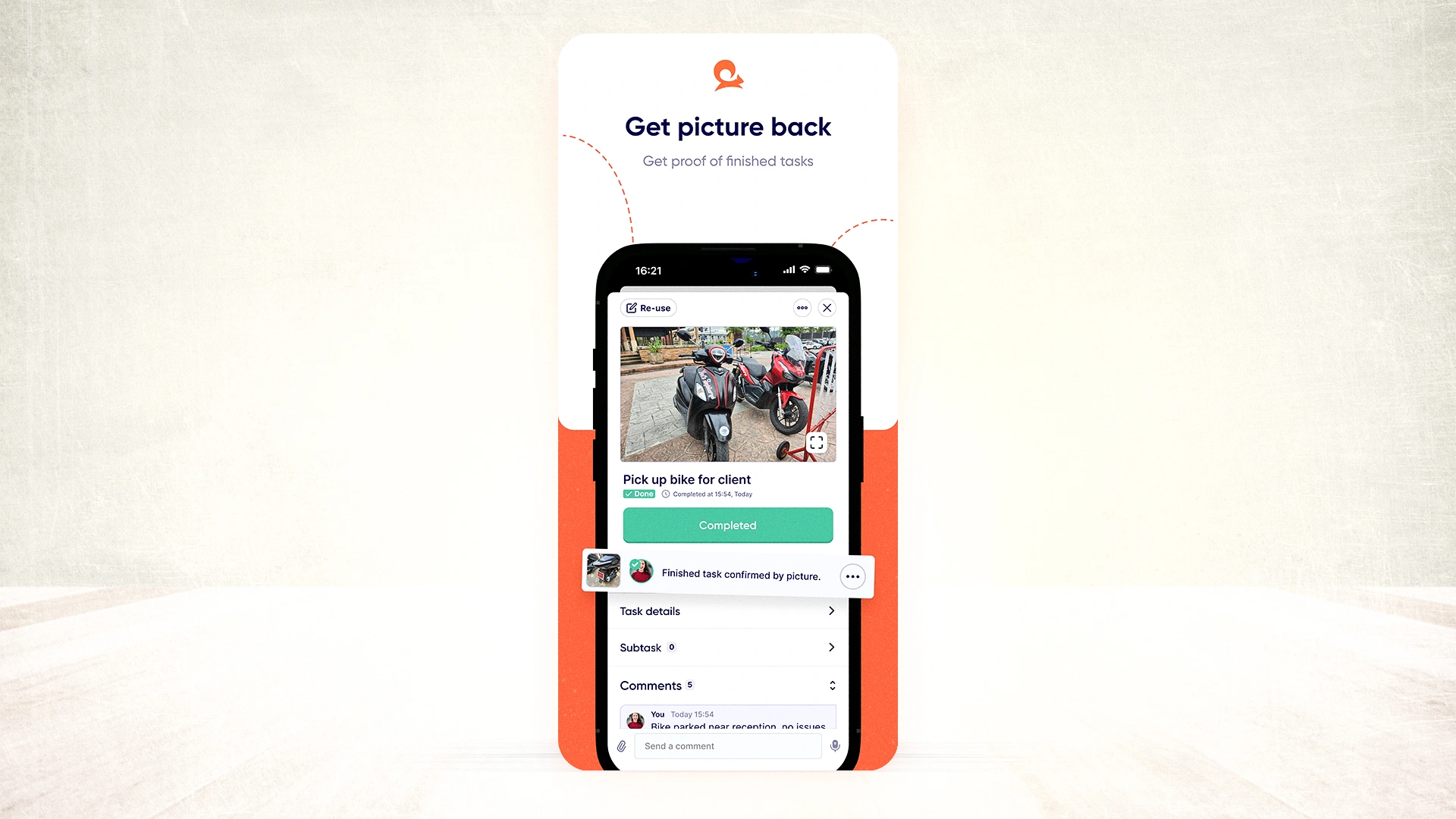
It replaces “trust only” with trust plus photo‑backed verification
The tools alone don’t create opportunities. But they make it much more realistic to run a cleaning agency, small hostel, mini‑mart, or maintenance business from another country without everything collapsing when you’re not there.
Latest News


Have questions?
.svg)
Team management, simplified.

“It affects my personal life a lot. I can manage my team and my work remotely, so I have more time being a mother.”