.svg)
8 proven strategies to boost team productivity in 2026

Global businesses bleed an estimated $1.9 trillion annually to low team productivity. The culprits? Miscommunication, digital overload from too many apps, and unclear priorities that leave everyone busy but not effective.
This guide delivers 8 proven strategies to boost team productivity in today's complex landscape. You'll learn how to leverage AI without losing the human touch, build accountability across time zones, and choose tools that work for every team member, regardless of language or location.
Whether your team sits in one office or spans five continents, these actionable methods will help you cut through the noise and deliver results that matter.
8 proven strategies to boost team productivity in 2026
Here are eight actionable ways to maximize team productivity and keep your business ahead.

1. Embrace AI and automation for repetitive tasks
AI and automation are game-changers for team productivity. Automate low-impact, repetitive work such as scheduling, customer queries, and data entry.
- Use AI tools like chatbots for instant responses and workflow automation for faster ticket resolution.
- Example: AI-powered call centers now create transcripts automatically, saving hours each week.
- Workflow optimization tools accelerate task completion and free up creative energy.
Balance automation with the human touch to maintain genuine connections with both customers and your team.
2. Foster a culture of accountability and ownership
Clear responsibility structures are essential for smooth workflow Assign roles and set expectations so everyone knows their part.
- Hold regular accountability sessions to keep progress visible.
- Use team scoreboards to track milestones and motivate performance.
- Encourage peer-to-peer accountability for stronger bonds and collective responsibility.
Follow frameworks like 4DX’s “wildly important goals” for structured reviews and empathetic support when challenges arise.
3. Implement data-driven decision making
Decisions rooted in real-time data lead to better outcomes and higher team productivity. Track key metrics like CSAT, first response time, and project milestones.
- Share analytics transparently so everyone sees what’s working and what needs improvement.
- Identify bottlenecks quickly and recognize high performers.
Let data guide your productivity plans, not just intuition.
4. Prioritize ongoing training and development
Investing in continuous learning boosts team productivity and morale. Offer upskilling, cross-training, and access to both technical and soft skills resources.
- Regular training reduces turnover and makes staff more adaptable.
- Encourage self-directed learning and mentorship to build a growth mindset.
- Retaining and developing current employees is more cost-effective than hiring new ones, according to Forbes.
A culture of learning keeps your team sharp and future-ready.
5. Optimize workflows with the right digital tools
The right digital stack is a secret weapon for team productivity. Centralized platforms connect communication, tasks, and documentation for seamless collaboration.
- Integrate project management tools like Asana or Trello for transparency and efficiency.
- Use automation for scheduling and reminders to reduce manual work.
For a deeper dive into workflow tools and strategies, check out the Teams workflow management guide.
6. Promote work-life balance and well-being
Healthy teams are productive teams. Avoid overloading staff by setting realistic workloads and encouraging regular breaks.
- Offer flexible schedules to accommodate different needs and prevent burnout.
- Provide mental health resources and stress management support.
- Gallup reports that disengaged employees cost 9% of global GDP, highlighting the value of well-being.
Monitor for signs of overload and adapt expectations before issues escalate.
7. Encourage cross-functional collaboration and knowledge sharing
Breaking down silos is vital for team productivity, especially in complex or multicultural environments.
- Facilitate interdepartmental projects and shared digital workspaces.
- Host regular “lunch and learn” sessions or idea exchanges to spark innovation.
- Teams that collaborate openly adapt faster and deliver better results.
Reward collective wins to foster a spirit of teamwork and shared achievement.
8. Gather and act on team feedback continuously
Continuous feedback keeps your team output on track. Regularly collect input on pain points and suggestions for improvement.
- Use anonymous surveys or digital channels for honest feedback.
- Act on feasible ideas promptly to show responsiveness.
Making feedback a loop, not a one-off event, builds trust and drives ongoing improvement.
The essential role of leadership and communication
Strong leadership and open communication are the backbone of a productive team. Let us break down why these elements matter and how you can leverage them for lasting results.
Clear expectations and goals are foundational
Setting clear, measurable objectives is the first step toward productivity. When everyone understands what success looks like, alignment and motivation naturally follow.
Frameworks like the 4 Disciplines of Execution (4DX) help teams focus on top priorities and keep everyone accountable. Teams that set specific goals see engagement levels more than double, according to Gallup.
- Use regular goal reviews to keep priorities fresh.
- Involve team members in setting objectives for stronger buy-in.
- Keep goals visible and track progress together.
Regularly revisiting expectations prevents misalignment and helps your team stay on track.
Open communication fuels collaboration
Transparent communication is essential for reducing errors and misunderstandings that can slow productivity. Whether your team connects through digital channels like Slack or face-to-face meetings, maintaining an open dialogue ensures everyone feels heard.
- Use multiple channels for inclusivity.
- Make feedback a normal part of meetings.
- Address issues quickly to keep projects moving.
When everyone is in the loop, collaboration becomes second nature, fueling greater productivity and innovation.
Feedback and recognition on performance
Consistent feedback and recognition are game changers for team productivity. Timely, constructive feedback keeps employees engaged, with Gallup noting that 80 percent of team members feel fully engaged after weekly feedback.
- Celebrate both individual and team achievements.
- Share key performance indicators openly to inspire progress.
- Use structured sessions to ensure everyone gets feedback.
Trust and psychological safety
Trust and psychological safety are essential for unlocking productivity. Teams with high trust are 2.5 times more motivated.
Leaders who model vulnerability and openness create safe spaces for risk-taking and innovation. When team members feel secure, they are more likely to share ideas and own results.
- Encourage open discussions, even about mistakes.
- Show empathy and support when challenges arise.
- Foster an environment where everyone feels valued.
Leadership is not just about direction, it is about creating the conditions for your team to thrive.
How to select and implement the right productivity tools for your team
The right platform should adapt to your environment, simplify workflows, and empower every team member to contribute.
Key criteria for choosing productivity tools:
- Assess your team’s language skills, literacy levels, and work structure (remote, hybrid, field-based).
- Compare features like task management, collaboration, automation, analytics, and integration with existing systems.
- Evaluate usability: Look for a simple interface, fast onboarding, and accessibility for all users.
- Prioritize inclusivity: Choose platforms that support multilingual and non-literate team members.
- Ensure scalability to match your team’s growth and evolving needs.
Comparison of popular team productivity tools:
Tool |
Best For |
Inclusive Features |
Scalability |
Industry Fit |
|---|---|---|---|---|
|
Zendesk |
Customer support teams |
Multilingual support |
High |
Service, Field |
|
Asana |
Project/task management |
Simple UI, templates |
High |
Most industries
|
|
Tasa |
Field/Multilingual teams |
Picture tasks, AI translation |
Flexible |
Field staffs, Frontline Teams |
|
Trello |
Visual task tracking |
Easy drag-drop |
Medium |
Creative, Small Biz |
Adjust your tech stack based on what truly drives results.
Why is Tasa the essential task hub for team productivity
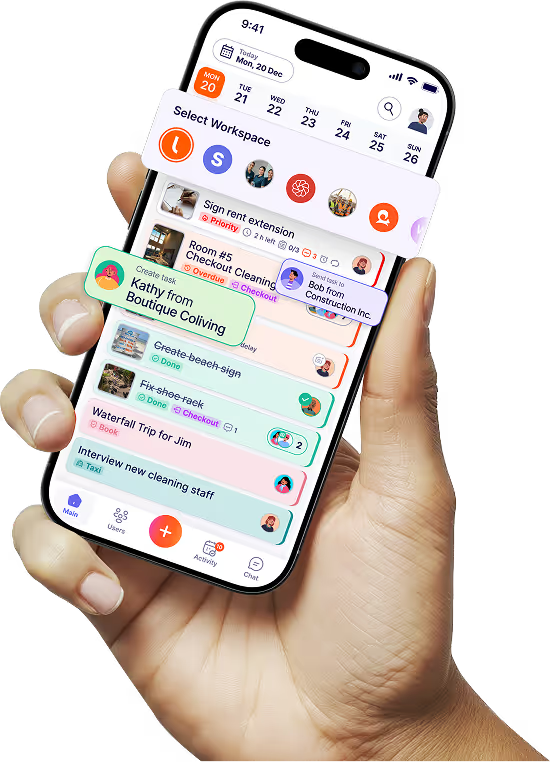
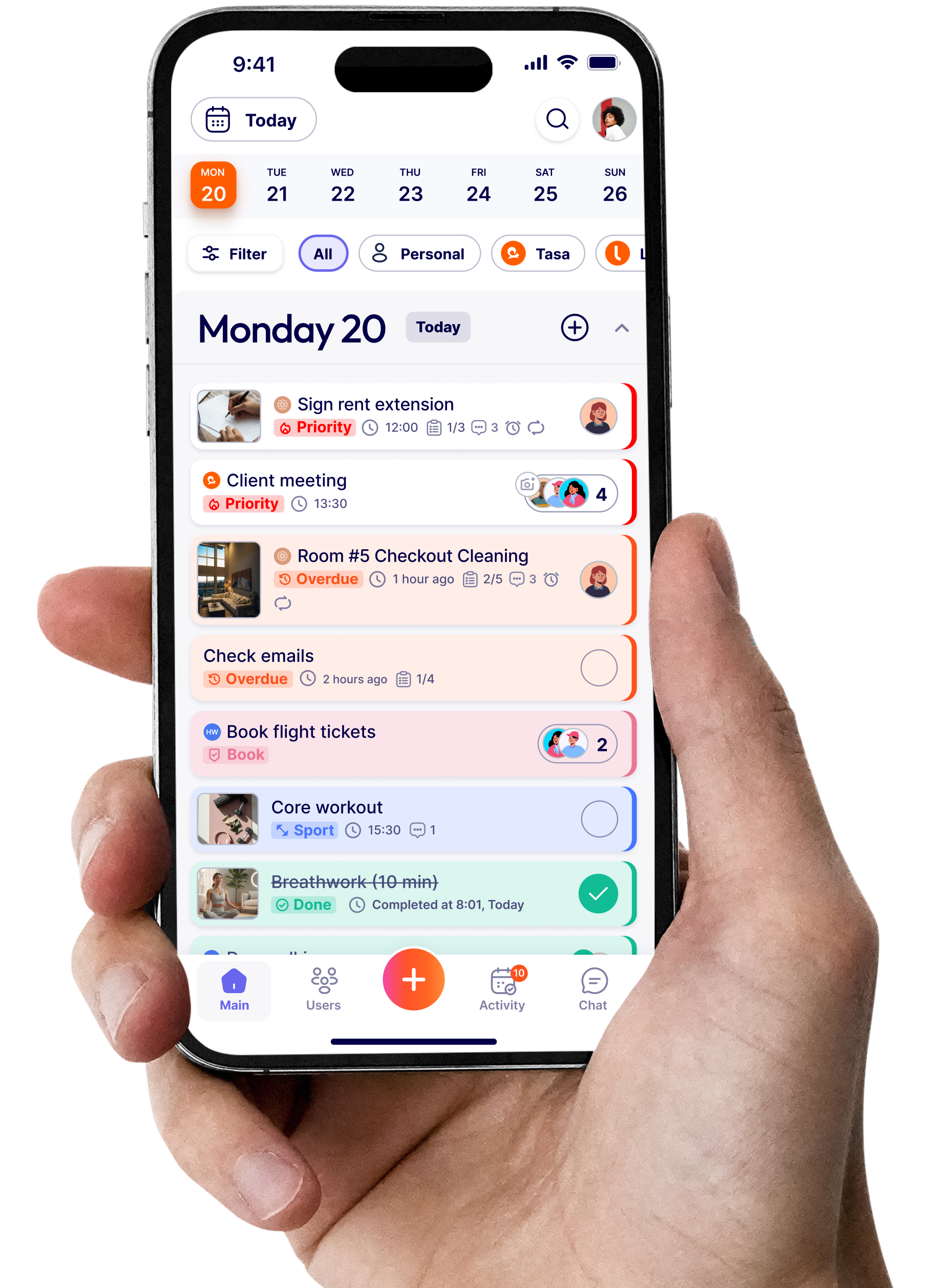
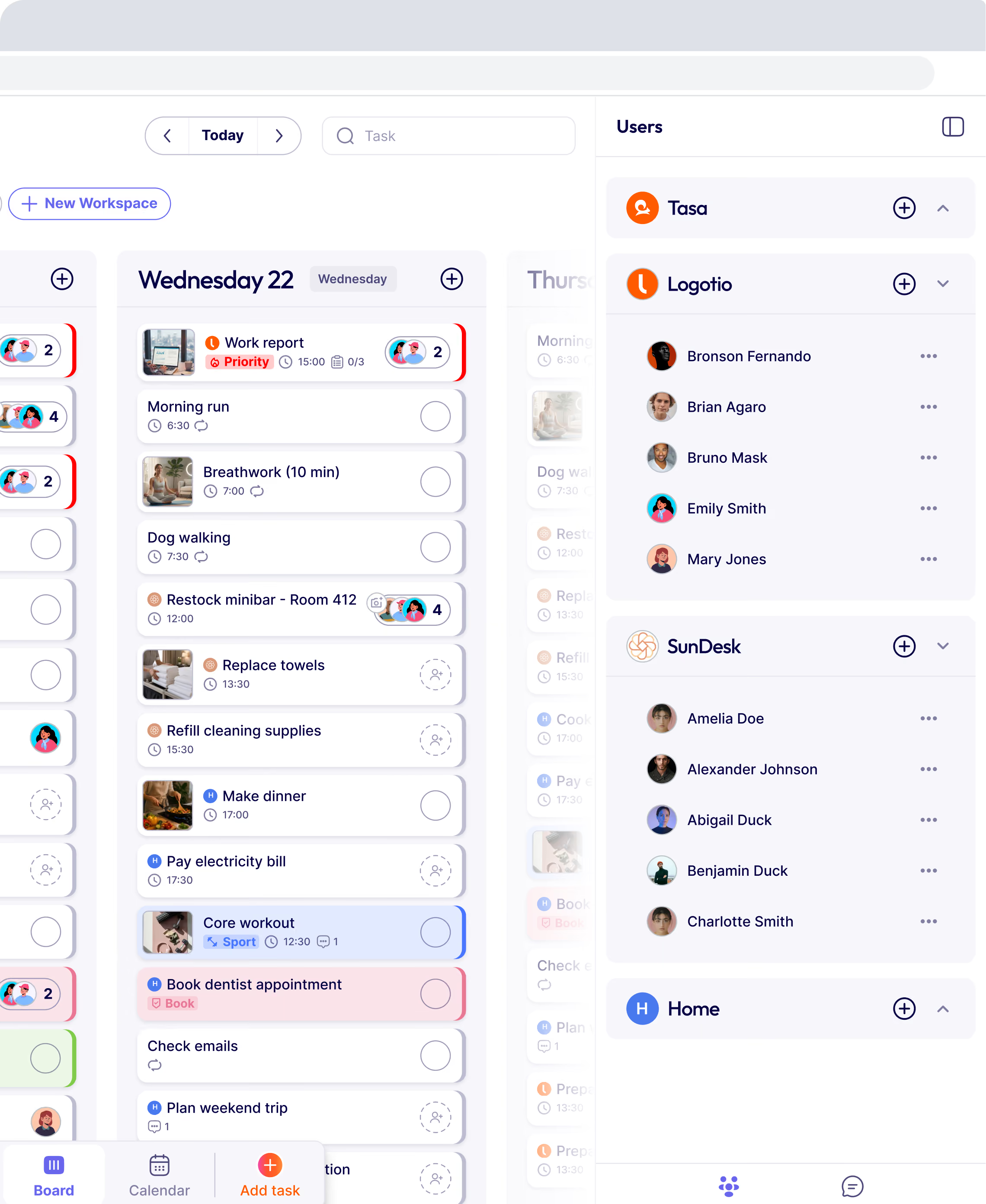
Tasa stands out by making team productivity visual and inclusive. With picture-based instructions, AI-powered translation in 100+ languages, and instant onboarding via QR code, makes task execution easier for new or seasonal staff.
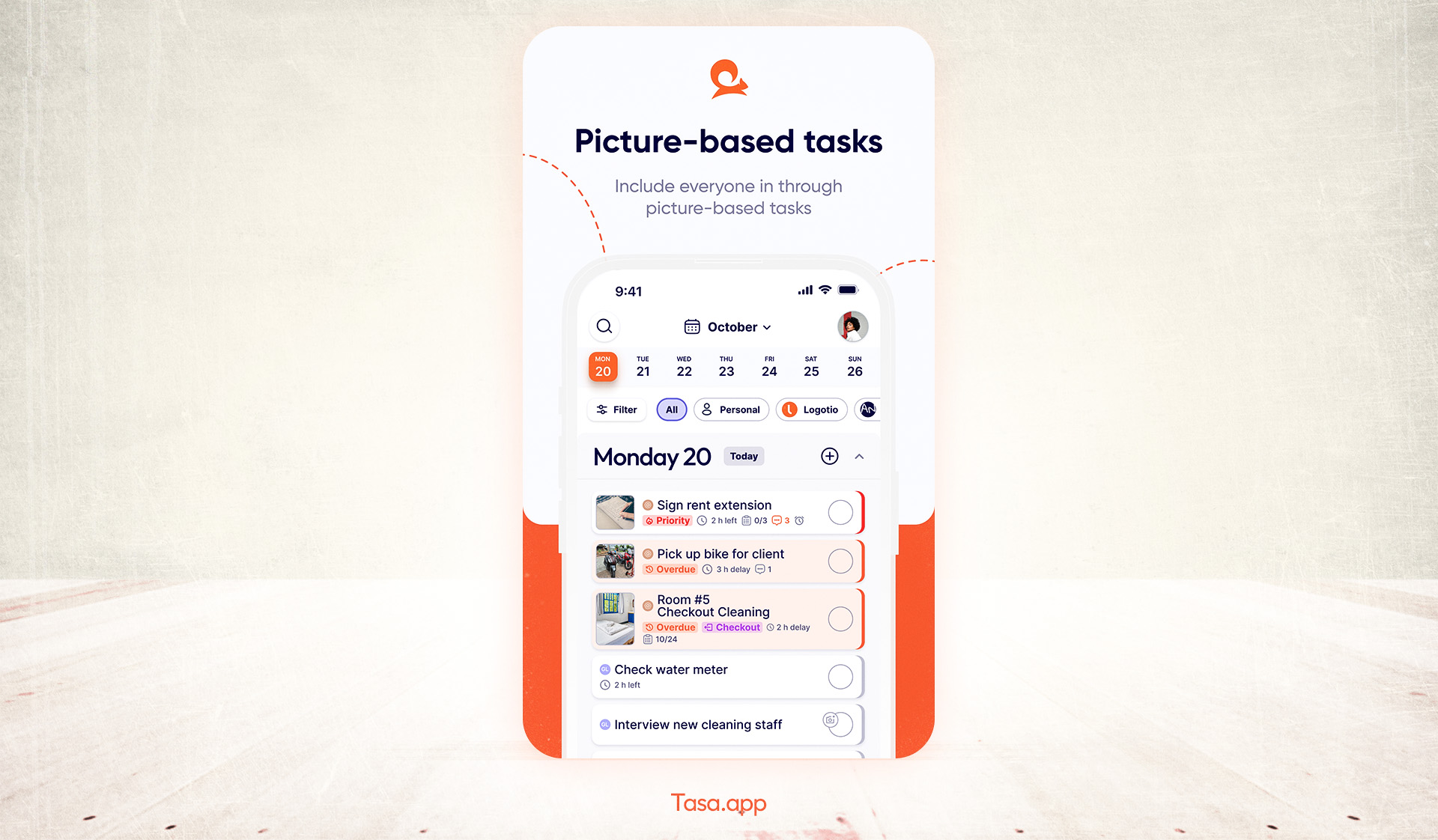
- Photo-back verification keeps everyone accountable.
- Saves up to 2 hours a day for managers.
- Boosts collaboration by 33% across all industries.
Latest News



Have questions?
.svg)
Team management, simplified.

“It affects my personal life a lot. I can manage my team and my work remotely, so I have more time being a mother.”
